Laser Beams from Space-Based Solar Power Could Endanger Satellites

Satellite Risks from Orbital Solar Power Stations
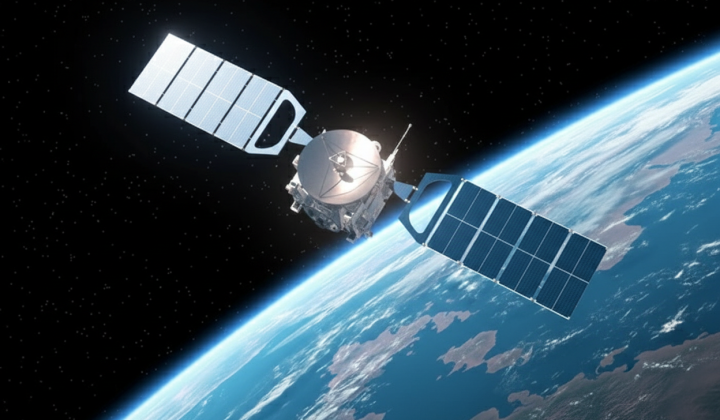
According to Главком: Plans by the United States and China to build solar power stations in space could introduce new hazards for satellites. Research from Chinese scientists warns of potential dangers from the laser beams used to transmit solar energy to Earth. If these beams miss their intended ground targets due to system failures or misalignment, they could damage spacecraft and satellites in orbit. This emerging technology adds a new layer of complexity to an already crowded orbital environment.
The sheer number of satellites currently in low Earth orbit significantly increases the risk of collisions. The laser technology integral to space-based solar power could also trigger unintended electrical discharges, potentially harming a satellite's sensitive electronic systems. In a study published in the journal High Power Laser and Particle Beams, Chinese researchers simulated the effect of a laser beam on a solar panel sample in a laboratory. Using high-speed cameras and sensors, they recorded short bursts of light and current spikes, indicating a tangible risk to satellite components.
Development Timelines and Orbital Challenges
Prototypes for these space-based solar stations are scheduled for launch before the end of this decade. U.S. company Overview Energy aims to demonstrate its orbital power station by 2028, while China plans to launch its own demonstration station by 2030. Given the increasing congestion in low Earth orbit, most concepts for space-based solar power involve placing the stations in a much higher geosynchronous orbit. The concept itself dates back to the late 1960s, and while modern technology may finally make it feasible, it also introduces novel safety challenges for space assets.
The advancement of space-based solar power could revolutionize energy generation, but the heightened risks to satellites call the safety of such systems into question. Consequently, developing new international standards and protocols for laser management and interaction with existing space objects is crucial. Monitoring the development of these technologies in the coming years will be critical for ensuring orbital safety as humanity's presence in space continues to expand.

Read also