Cossacks Declare Khmelnytsky a New Odoacer—the Warlord Who Toppled Rome

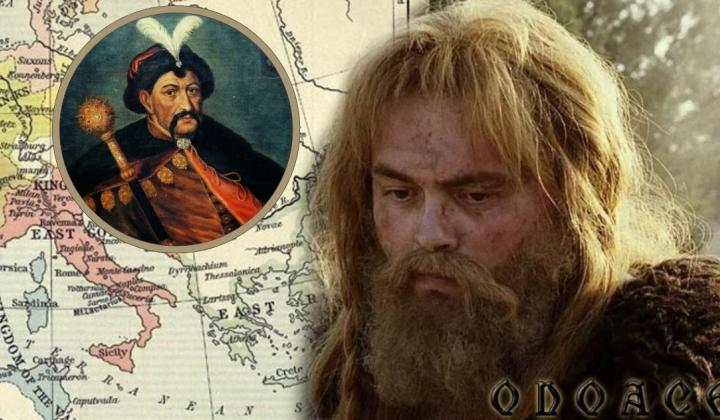
The Odoacer Figure in Cossack Historical Narratives
According to Radiotrek — Світ: This article explores how Cossack chroniclers used the figure of the chieftain Odoacer (also known as Odonacer) as a historical symbol to legitimize the struggle of Bohdan Khmelnytsky and the Zaporozhian Host. A key moment came in 1657, when Samiylo Zorka, the general secretary of the Zaporozhian army, delivered a funeral oration for Khmelnytsky and hailed him as the ancient Ruthenian Odoacer. This comparison underscores the enduring power of historical legacy in the fight for independence.
Historical Background
Odoacer, who deposed the last Western Roman emperor in 476 CE, was born around 433 CE. His father, Edeco, served under Attila the Hun. Notably, some medieval sources-including the 'Brevis historia'-refer to Odoacer as Ruthenus (a Ruthenian). In the 16th century, a memorial plaque in Salzburg described him as Rex Rhvtenorvm (king of the Ruthenians). Similarly, European chronicles once called Princess Olga Regina Rugorum (queen of the Rugii).
A crucial reference appears in the Bila Tserkva Universal of 1648, which states that an army of Ruthenians from Rugia, led by Prince Odoacer, captured Rome. The document dates this event to the year 470 after the Lord's Nativity, claiming Rome had a force of 645,000 soldiers at the time. These historical accounts reveal how the Cossacks invoked Odoacer's image to highlight their own fight for liberty and sovereignty.
In his speech, Samiylo Zorka emphasized the importance of this historical precedent, declaring:
“Dear leader! The ancient Ruthenian Odoacer!”
He further noted that even Ancient Rome-'which may be called the mother of all European cities'-once fell to a 'smaller fighting force of Ruthenians from Rugia.' This parallel demonstrates the Cossacks' confidence in their strength and resolve to defend their rights, drawing inspiration from their distant ancestors.
Thus, the figure of Odoacer became a symbol for the Cossacks, embodying their yearning for freedom and independence within the context of Bohdan Khmelnytsky's uprising. This story highlights the role of heritage and cultural memory in forging national identity.
Using Odoacer's image in the context of the Cossack struggle for independence points to the deep historical roots of the Ukrainian national movement. This comparison not only strengthens the legitimacy of Khmelnytsky's cause but also underscores the importance of remembering the past for contemporary identity. From a historical perspective, such symbols help preserve cultural heritage and foster a nation's collective consciousness.

Read also