How the Middle East Crisis Could Lead to U.S. Energy Dominance Over Europe

How the Middle East Crisis Impacts Global Energy Markets
According to ХВИЛЯ: In a YouTube interview with political analyst Yuriy Romanenko, Polish expert Piotr Kulpa analyzed the potential consequences of the Middle East crisis for global energy supplies and U.S. influence in Europe. The interview, titled 'Trump's Chaos: Stupidity or Calculation? Piotr Kulpa, Yuriy Romanenko,' is available under the identifier dwrUsidgNsQ.
Kulpa warned that a potential scenario involving the Gulf region could create a 20% shortfall in the global market. This shortage would not be limited to energy resources but would also affect fertilizers and other critical commodities. He stressed that such a development would have severe repercussions for the global economy.
Potential U.S. Energy Dictatorship and Geopolitical Shifts
The analyst further suggested that such events could place the world under a U.S.-led energy dictatorship.
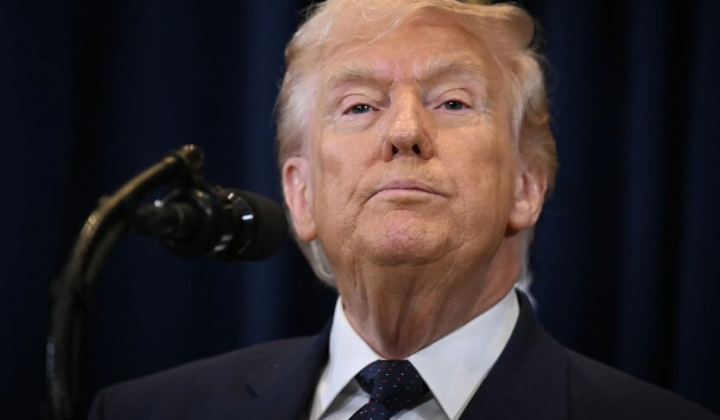
"We would get a world in which Trump views Europe as a space to be subjugated to his energy dictates," stated Piotr Kulpa.
He also believes Trump 'would have a stake in energy flows through his American companies.'
Kulpa emphasized that the likely outcome would involve Europe's subordination to the United States, coupled with a prohibition on cooperation with China. These remarks indicate the Middle East crisis could not only destabilize energy markets but also fundamentally reshape geopolitical relations among global powers. This analysis comes amid Europe's ongoing efforts to diversify its energy sources following recent regional conflicts.
The views expressed by Piotr Kulpa highlight the critical need to monitor the Middle East situation, as its repercussions could profoundly affect the world economy and political alliances. Increased European energy dependence on the U.S. could present new challenges for European nations while potentially strengthening transatlantic ties. However, an escalation of the crisis might also trigger new conflicts on a global scale.
The implications of the Middle East crisis extend beyond immediate energy concerns, as analysts warn that U.S. involvement could signal the end of the petrodollar. This potential shift in global finance could drastically alter economic stability. To understand how these developments may unfold and their impact on international relations, read more about the possible decline of the petrodollar amid U.S. military actions.

Read also