How Garden Leave Works in the US and UK: A Guide for Ukrainian Professionals

Understanding the 'Garden Leave' Concept in the UK and US
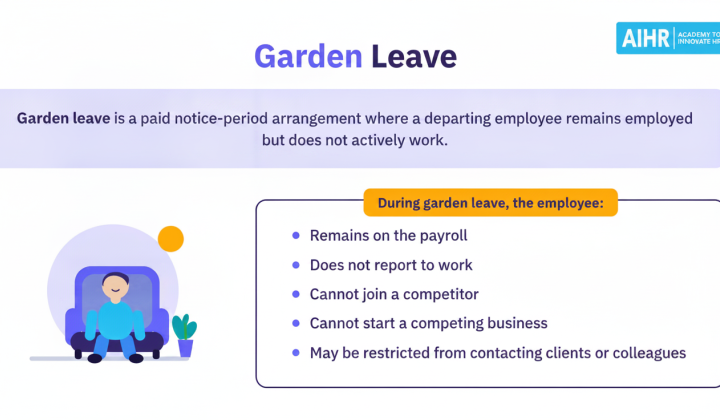
According to AIHR: For Ukrainian employees and HR professionals navigating international labor practices, the concept of 'garden leave' offers a strategic approach to managing employee departures. In both the United Kingdom and the United States, this arrangement involves an employer asking a resigning employee to stay home during their notice period while still receiving full pay and benefits. The primary goal is to safeguard sensitive data, client relationships, trade secrets, and business continuity during the transition.
Garden leave is widely adopted in the UK, but it is less common in the US due to the prevalence of 'at-will' employment. In America, it is typically reserved for executives, senior staff, or individuals with formal termination schedules outlined in their contracts. The duration of garden leave aligns with the notice period, ranging from a few weeks to several months. During this time, the employee remains bound by their contract terms, and the legality of the arrangement is governed by the employment agreement rather than specific legislation.
Legal Nuances and Benefits of Garden Leave
In the US, certain states like California, Minnesota, North Dakota, and Oklahoma do not enforce most non-compete agreements. Massachusetts, however, legally defines 'garden leave' as a payment due during a post-termination non-compete period. By using garden leave, companies can maintain confidentiality and protect their interests when employees leave.
A key distinction exists between garden leave, severance pay, and non-compete agreements. Severance is a payment made after employment ends, while a non-compete restricts where a person can work after leaving. HR professionals must establish a clear, fair, and legally reviewed policy that outlines payment terms, benefits, restrictions, and the process for transitioning responsibilities.
Garden leave has both advantages and drawbacks. While it provides protection for the company, it can be challenging for the employee, who remains at home without the ability to work. As experts note,
“Garden leave cuts both ways, and whether it helps or hurts depends on which side of it you're on.”
Therefore, it is crucial for HR to clearly document when garden leave applies, how pay and benefits continue, and what restrictions are considered reasonable.
For effective implementation of a garden leave policy, HR should consider several key points:
- define when garden leave is applicable;
- explicitly include it in the contract;
- clarify payment, benefits, and employment status;
- set reasonable limitations;
- manage access to company property;
- plan for the handover of duties;
- ensure ongoing communication and consistent policy application.
As a risk management tool during employee departures, garden leave is becoming increasingly relevant in a globalized labor market and evolving corporate relationships. With growing competition and the need to protect business interests, companies must approach such practices thoughtfully. This can help not only preserve valuable information but also maintain a positive company image among employees and clients.
As organizations grapple with employee turnover, understanding effective strategies for retaining talent becomes increasingly crucial. The complexities surrounding garden leave arrangements can play a significant role in these strategies, helping companies protect their interests while managing workforce transitions smoothly.

Read also