EU's Unanimity Rule Holds Up €90 Billion Ukraine Aid Package

Decision-Making Paralysis Grips the European Union
According to ХВИЛЯ: A crisis in European Union decision-making, caused by the requirement for unanimous agreement among all 27 member states, is jeopardizing a €90 billion credit line for Ukraine and the bloc's ability to impose new sanctions on Russia. This unanimity rule makes it extremely difficult to pass crucial measures, a significant vulnerability in the current geopolitical climate. The EU's foreign policy process is now under intense scrutiny as it struggles to respond to the war on its doorstep.
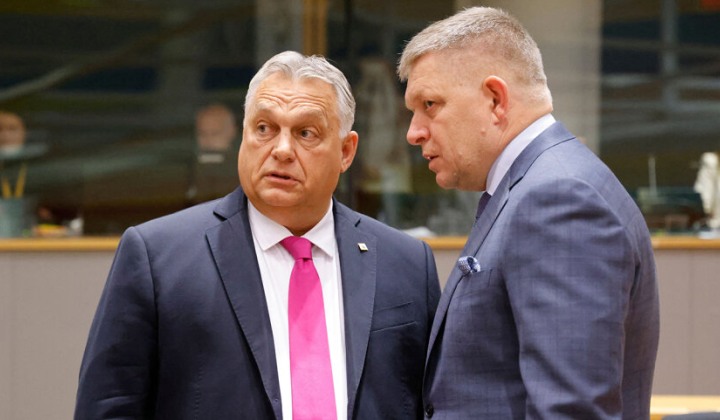
Hungary, in particular, has repeatedly blocked aid packages for Ukraine, causing frustration among other EU nations. The country's parliamentary elections, scheduled for April 12, could potentially shift its future stance on the matter. A coalition of countries led by Germany and Sweden is pushing to abolish the veto power in foreign policy, arguing the bloc must modernize to meet contemporary threats.
Johann Wadefull, expert: 'It is time for Europe to grow up'
He further stressed that 'the principle of unanimity must be abandoned before the end of the current political season.' In contrast, France, Belgium, and several smaller nations oppose such changes, believing the preservation of the veto is vital for protecting national interests.
Proposed Solutions to the Impasse
Expert proposals to resolve the deadlock include:
- establishing a European Security Council;
- placing the foreign policy service under the full control of the European Commission.
While these initiatives could alter the EU's decision-making dynamics, their implementation faces resistance from several member states.
Consequently, the European Union finds itself at a crossroads where the urgent need to adapt its foreign policy approach clashes with traditional decision-making principles. The situation remains tense, and the next steps taken by member states could significantly shape the EU's future and its capacity to address global challenges. With rising international instability, the pressure for the bloc to act swiftly and effectively highlights the growing necessity of reforming its core operational rules.
As the EU grapples with the implications of its unanimity rule, discussions about potential reforms are intensifying. This ongoing debate reflects a broader concern about the EU's ability to respond effectively to crises, particularly in light of the ongoing war in Ukraine. For a deeper understanding of how these discussions are unfolding and the possible changes to the veto power in foreign policy, read more in our detailed analysis on ending the unanimity rule in foreign policy.

Read also