EU Bathing Waters Earn Top Marks for Water Quality

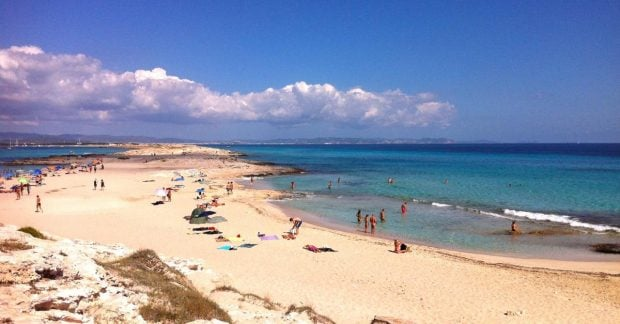
Water Quality in Europe's Bathing Areas
According to УНІАН — Туризм: According to a report from the European Environment Agency (EEA), 96% of bathing sites across the European Union meet minimum water quality standards, indicating a high level of safety for swimmers. Out of over 22,000 locations, 85% received an 'excellent' rating, confirming positive trends in water resource protection across the region. Cyprus topped the rankings with 100% of its bathing areas rated excellent, underscoring its appeal to tourists.
Water Quality Challenges in Albania
Greece also performs strongly, with 97.1% of its sites rated excellent, while Bulgaria and Austria follow closely at 96.9% and 96.5%, respectively. In contrast, Albania shows the worst results, with only 16.8% of its bathing waters deemed excellent. Additionally, 23% of the country's waters are of poor quality due to fecal bacteria, raising concerns among experts. As the publication Which? notes,
“This is worrying given that beach holidays in Albania have surged in popularity in recent years thanks to its white sandy beaches and budget accommodation.”
Data shows that E. coli and intestinal enterococci enter waterways through sewage overflows or agricultural runoff after heavy rains. This highlights the importance of ongoing water quality monitoring in bathing areas. Separately, the Danube River's water level has dropped to near-record lows, causing several cruise ships to halt operations and excursion trips in the Budapest area to be canceled.
In the context of natural resource conservation, Greece has announced a project to protect Navagio Beach on Zakynthos and plans to expand the beach by 30 meters using 45,000 cubic meters of gravel. This initiative aims to preserve the shipwreck of the Panagiotis, a key part of the region's cultural heritage.
Overall, the EEA report highlights both successes and challenges in water quality across Europe's bathing areas, which is crucial for swimmer safety and environmental protection. Positive outcomes, especially in tourism-dependent countries, reflect efforts to improve water quality. Meanwhile, the situation in Albania underscores the need for urgent measures to enhance environmental conditions, as growing interest in vacations there could be jeopardized by water quality issues. Infrastructure development and natural resource conservation remain key priorities for ensuring sustainable tourism in the region.
While Europe showcases impressive bathing water quality, Austria stands out for having the cleanest swimming waters on the continent. Understanding the factors contributing to such distinctions can provide valuable insights for both tourists and policymakers alike.

Read also