Should You Pay for LinkedIn Recruiter? A Comparison with the Free Version

Maximizing Candidate Discovery in Recruitment
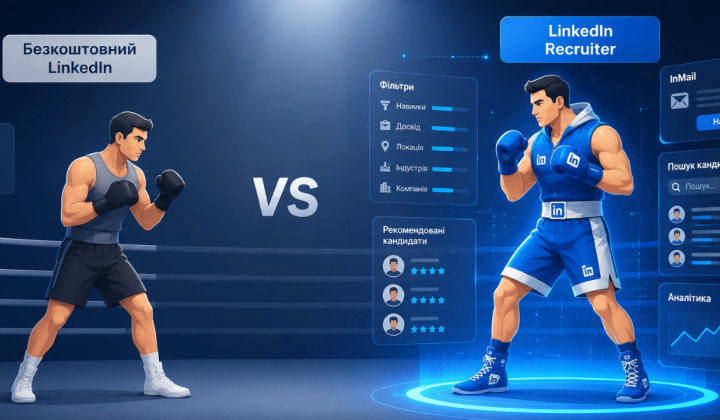
According to Hurma Blog — HR: In the recruitment world, knowing which tools to use for effective candidate sourcing is critical. This article compares the capabilities of free LinkedIn with paid tiers like Recruiter Lite and Recruiter Corporate. The free version works well for basic searches and networking, while paid tools enable systematic sourcing, higher job volume, and team collaboration. Recruitment success depends not only on the plan but also on the quality of a recruiter's profile-especially the headline, About section, keywords, content, and network.
Free LinkedIn lets users search for candidates by keywords, apply basic filters, send connection requests, message after acceptance, use Boolean Search, analyze profiles, post jobs, build a personal brand, grow a network, get referrals, and attract passive candidates through content. However, many tasks must be done manually, such as saving links to a spreadsheet or ATS.
Paid LinkedIn Plans: Recruiter Lite and Recruiter Corporate
LinkedIn Recruiter Lite provides 30 InMails per month, advanced search access, the ability to save candidates, and message templates. Recruiter Corporate offers full LinkedIn network access, more InMails, team collaboration, advanced reporting, and ATS integrations. Meanwhile, LinkedIn Recruiter Professional Services is designed for agencies and large recruiting teams. Keep in mind that paid LinkedIn cannot fully replace an ATS or HRM system; it’s a powerful tool for sourcing and initial contact.
A recruiter’s profile quality is key to using LinkedIn effectively.
“Your LinkedIn profile is your resume, only better. You can add a photo, banner, experience, recommendations, content, and much more information than a classic CV,” says Olena Alaimo, career coach and executive recruiter.
A recruiter’s headline shouldn’t just say 'Recruiter' or 'HR Manager'; include your role, specialization, domains, and role types to boost success. Example of a strong headline: 'IT Recruiter | Talent Acquisition | Hiring Java, DevOps, QA | Ukraine & EU markets'.
The About section also matters-it’s not just about you, but about trust.
“About is your short pitch. It’s best to write in the first person: who I am, where I’m going, and what I offer,” Alaimo emphasizes.
Adding keywords across different profile sections helps improve a recruiter’s visibility. Kateryna Lysova, employment consultant, notes: 'Algorithms work based on keywords. The more relevant keywords in your profile, the better.'
Content is also important-recruiters should post short tips for candidates, open jobs, interview insights, and other topics.
“Your profile connects you directly with the market, candidates, and employees. Content builds trust and recognition, and your network becomes a channel for attracting candidates,” says Oleksandra Mykulska, career consultant and recruiter.
Networking matters too, as results often come from referrals, not just searches. 'Networking isn’t really about the number of contacts. Quality connections are what count,' Mykulska says. Communication must be thoughtful, because 'an InMail won’t work if the message is weak,' notes Anastasiia Andrushchenko, recruiter and career consultant. She also recommends following up every 3–7 days to improve conversion.
When should you choose between free LinkedIn and paid versions? 'If you have one job opening per month, the standard LinkedIn search tool might be enough. But if you have many vacancies, candidates are scarce, unresponsive, or you lack filters-then it’s definitely worth looking into LinkedIn Recruiter,' Andrushchenko stresses.
HURMA Community offers a knowledge base with 15 sections, over 400 documents, 250+ hours of webinar recordings, event access, and mastermind groups-all useful for recruiters. The HURMA Community audience exceeds 100,000 subscribers, making it a key resource for industry professionals.
Ultimately, the choice between free LinkedIn and paid versions depends on a recruiter’s needs, job volume, and profile quality. Tools matter, but so do communication approaches and candidate engagement strategies.
Understanding the features of different LinkedIn tiers can significantly impact recruitment campaign success. Professionals in this field must consider not only costs but also opportunities to tailor their profiles and communication methods to make the most of available resources. In a competitive job market, the ability to customize your recruitment approach can be a decisive factor in attracting top talent.
As recruiters explore various tools for sourcing candidates, it's essential to compare different platforms to identify the best fit for specific needs. For instance, while LinkedIn offers valuable features for recruitment, platforms like Djinni, DOU, and Work.ua may provide unique advantages in candidate matching. Understanding the strengths of each option can enhance your recruitment strategy and improve hiring outcomes.

Read also