Nearly 40% of HR Skills Expected to Shift by 2030

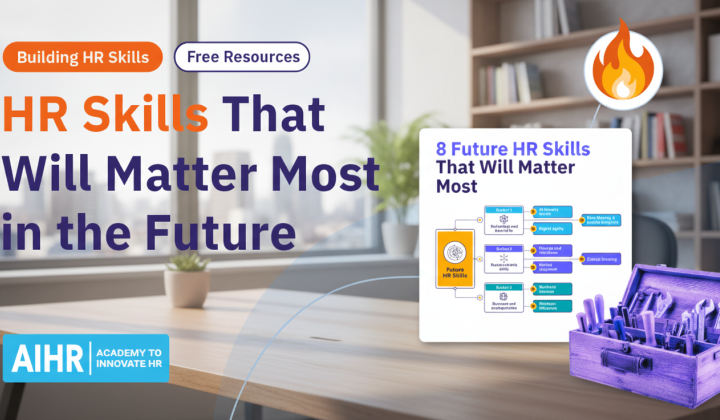
HR Skills Landscape: A Look Ahead to 2027
According to AIHR: By 2030, almost 40% of core HR competencies are projected to change, highlighting the rapid transformation occurring in the field. Only half of HR teams currently believe they possess the skills needed to deliver results, according to an analysis of the most critical skills for 2027. The report also notes that 22% of current roles could be disrupted by technological advances, and 93% of HR leaders anticipate their teams will be engaged in large-scale digital transformation within the next two years.
The HR function continues to face significant challenges. Just 44% of HR professionals see themselves as equal partners in business planning. In 30% of cases, HR leaders contribute to strategic planning but only by providing talent-related information. Although 92% of respondents view strategic thinking as an essential skill, only 51% consider HR to be proficient in this area. Similarly, 89% of respondents believe driving change is important, yet only 47% see HR as experienced in this regard.
The Growing Need for Tech and Data Expertise
Technical and data-related skills are becoming increasingly vital. While 80% of respondents say HR data and analytics are important, only 34% rate HR as experienced in this domain. Additionally, 60% of HR professionals feel they are falling behind in digital and data competencies. Meanwhile, 67% of experts identify strategic business acumen as the most important skill for HR leaders.
To address these gaps, AIHR has introduced the T-Shaped HR Competency Model and the T-Shaped HR Assessment, which focus on six key competencies:
- Business Acumen
- Data Literacy
- Digital Agility
- AI Fluency
- People Advocacy
- Critical Thinking
To tackle the skills challenge, experts recommend following a structured learning path, such as certification programs from AIHR, SHRM, HRCI, or CIPD. A four-step prioritization process is suggested:
- Assess current skills
- Align them with role requirements
- Select two key skills to develop
- Build publicly
Professionals are advised to apply a new skill to a real project within 30 days and to seek feedback to track progress. It is also important to revisit priorities every few months to stay relevant in a fast-changing job market.
As technology and the business environment evolve, HR professionals must continuously develop their skills. This situation underscores the importance of adapting to new challenges arising from digital transformation and the rise of artificial intelligence.
In a rapidly shifting labor market, the ability of HR teams to quickly respond to new demands and leverage data analytics is becoming critical for successful talent management and organizational change.
As organizations increasingly grapple with the evolving landscape of HR skills, it's essential to recognize the broader implications of talent shortages on business operations. A recent report highlights that skill deficits are a major hurdle for employers, with 63% identifying it as the top barrier to success. Understanding these challenges can provide valuable insights into the critical skills HR teams need to prioritize in the coming years.

Read also