Eight Indicators of Russia's Defeat in the War, According to Michael McFaul

Signs That Russia Is Losing the War
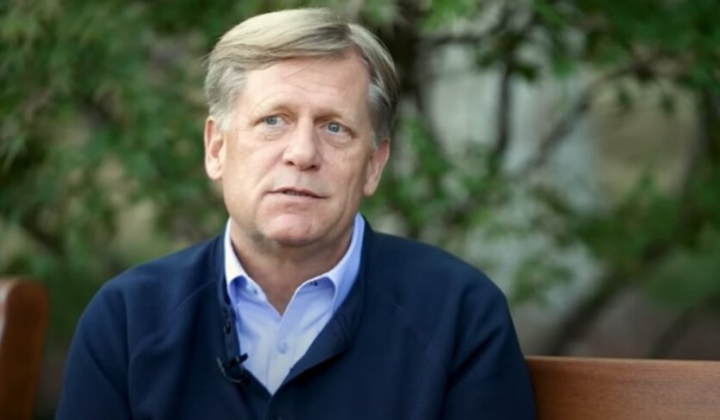
According to ХВИЛЯ: American political scientist Michael McFaul has outlined eight key indicators that point to Russia's defeat in the conflict. These include:
- Failure to achieve President Putin's stated objectives
- Loss of occupied territory
- Severe troop casualties
- Effectiveness of Ukrainian drone operations
- Ongoing European support for Ukraine
- A shift in Hungary's political leadership
These developments are fueling growing optimism among Ukrainians that the conflict may end in their favor.
Shifts in Public Opinion and the Military Landscape
Putin's original war goals-uniting Russians and Ukrainians, overthrowing Ukraine's government, and annexing its territory-remain unfulfilled. According to the Kyiv Security Forum, 83% of Ukrainians now back joining the European Union, and 73% support NATO membership. Before the invasion, those figures stood at 55% and 48%, respectively. This dramatic shift reflects a fundamental rethinking of Ukraine's strategic direction.
On the battlefield, the Russian military is struggling. The Institute for the Study of War reports that Russian forces have captured only about 1,427 square miles of Ukrainian land-just 0.6% of the country. In 2026, Ukrainian troops managed to reclaim roughly 600 square kilometers, including 100 square kilometers in May alone. Data from the DeepState project indicates that between May 12 and June 9, Russia lost more territory than it gained. Meanwhile, an ISW report suggests Moscow is unlikely to seize the entire 'fortress belt.'
Ukrainian drone technology is also advancing rapidly. In 2026, Ukrainian companies plan to produce seven million unmanned aerial vehicles. The Magura naval drone has already pushed the Russian fleet out of the Black Sea, creating a deadly 20–30 kilometer-wide exclusion zone along the front line. Last year's 'Operation Web' struck over 40 enemy aircraft, and the 'Flamingo' missile can now travel more than 1,000 kilometers.
Russian troop losses have reached catastrophic levels. The Center for Strategic and International Studies estimates that around 1.2 million Russian soldiers have been killed, wounded, or gone missing. NATO Secretary General Mark Rutte has noted that over 30,000 Russians are dying each month in Ukraine-a toll exceeding Soviet losses in Afghanistan over a decade. According to CSIS, the casualty ratio stands at least at one to two in Ukraine's favor.
The political landscape is also shifting. After Viktor Orbán's defeat in Hungary, 90 billion euros in previously blocked EU funds were unlocked, signaling changing attitudes in Europe and a stronger commitment to supporting Ukraine. Additionally, Ukraine has seen a change in its military leadership, with Mykhailo Fedorov appointed as the new defense minister.
These factors highlight the serious challenges Russia faces in the war and the growing confidence among Ukrainians in their eventual victory. The transformation of public sentiment in Ukraine, combined with battlefield successes, is laying the groundwork for continued international backing. With increasing military aid and political solidarity from Europe, the front-line situation may evolve further, reshaping the region's future.
As the conflict in Ukraine evolves, the country is becoming a key arms supplier to both the United States and Europe. This shift not only underscores Ukraine's growing military capabilities but also highlights the international support that bolsters its defense efforts against Russian aggression.

Read also