Massachusetts Researchers Explore Freezing Frogs to Extend Donor Organ Preservation Up to Ten Days

Investigating Wood Frogs’ Unique Freezing Ability to Revolutionize Organ Transplants
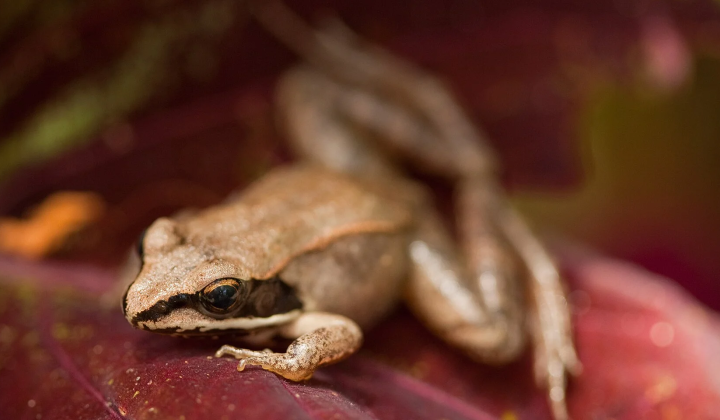
According to НВ — Техно: Scientists at Massachusetts General Hospital are focusing on wood frogs, known for their remarkable ability to survive complete body freezing, in hopes of dramatically extending the preservation time of donor organs. These amphibians possess natural biological adaptations that allow them to endure subzero temperatures, a trait that could transform current transplant medicine.
Wood frogs (Lithobates sylvaticus) inhabit regions farther north than most amphibians, including areas beyond the Arctic Circle. During winter hibernation, up to 65-70% of the water in their bodies freezes solid, halting breathing and nervous system activity. Their livers flood the bloodstream with glucose, while the kidneys stop excreting urine, causing urea to build up and act as a natural antifreeze. A 2014 study demonstrated that wood frogs can survive frozen conditions for up to seven months at temperatures below -18°C.
Addressing Organ Preservation Challenges with Innovative Strategies
Currently, donor organs in the United States remain viable for only a few hours, leading to approximately 13 deaths daily due to transplant waiting lists. To tackle this, researchers have identified bacterial compounds that trigger ice formation outside cells. They have also developed a glucose-like substance that cells cannot metabolize, which has successfully preserved rat livers for four days and pig kidneys for over a week in frozen states. These breakthroughs have pushed the freezing preservation window for donor organs up to ten days.
“From any practical standpoint, this animal is clinically dead.”
Shannon Tessier, Researcher
Fellow scientist Corkut Uygun emphasizes the urgency in transplantation: “You put the organ on ice and rush to the recipient. You only have a matter of hours.” Understanding how wood frogs manage freezing could be a critical step toward saving more lives by improving organ storage techniques.
The pioneering work at Massachusetts General Hospital opens promising avenues for transplant medicine. Extending organ preservation durations could significantly reduce patient mortality on transplant waiting lists. Learning from the wood frog’s natural cryoprotective strategies may lay the groundwork for future medical innovations in this vital field.

Read also