Meloni Unveils Controversial Overhaul of Italy’s Electoral System

Electoral Reform in Italy Sparks Heated Debate
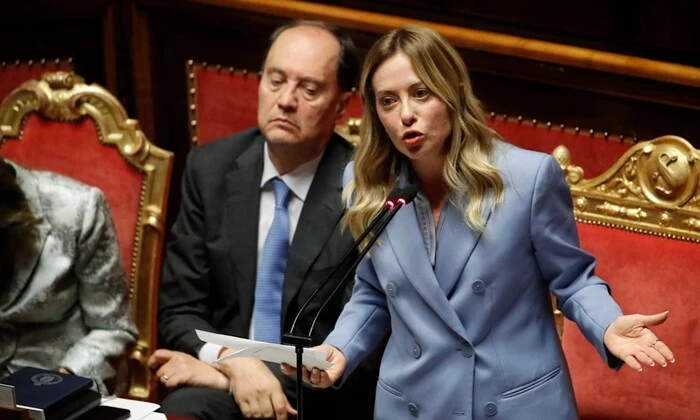
According to Главком: Italian Prime Minister Giorgia Meloni has put forward a major electoral reform proposal, drawing sharp criticism from opposition parties. They argue the initiative is designed to favor the ruling coalition and consolidate executive power.
Meloni defended the plan by stating that Italy is currently seen as an 'island of stability in Europe.' She recalled the country’s past instability and emphasized her determination to prevent a return to that era.
'This is a proportional system-whoever gets the most votes governs. But it also guarantees the winner a parliamentary majority sufficient for five years in office. It seems to me this is something everyone could agree on, especially the left.' - Giorgia Meloni
Under the proposed changes, Italy would adopt a proportional representation system with a majority bonus. To qualify for that bonus, a coalition must secure at least 42% of the vote. Additionally, the coalition must run as a unified bloc and name its candidate for prime minister before the election. If no political force reaches the 42% threshold, seats would be distributed proportionally.
Criticism and Implications of the Reform
Opposition figures, particularly from the Democratic Party, have voiced strong objections. Party leader Elly Schlein and her colleague Marco Meloni argued that altering electoral laws is always a sign of weakness. Political scientist Lorenzo Castellani of Rome’s LUISS University echoed this view, stating:
'Changing electoral legislation is always a sign of weakness. If you have to change the rules to win, it means you are not very confident in your victory.' - Lorenzo Castellani
The proposed electoral reform could significantly reshape Italy’s political landscape, altering the balance of power between the ruling coalition and the opposition. If approved, it may transform how governments are formed and affect the stability of the country’s political system. Public discourse around the initiative is intensifying, highlighting the need for transparent and fair elections to sustain democracy. As Italy navigates both domestic and external challenges, the outcome of these changes could carry far-reaching consequences.

Read also