Merkel Proposed as EU Mediator Between Russia and Ukraine

Jan van Aken's Suggestion for EU Negotiators
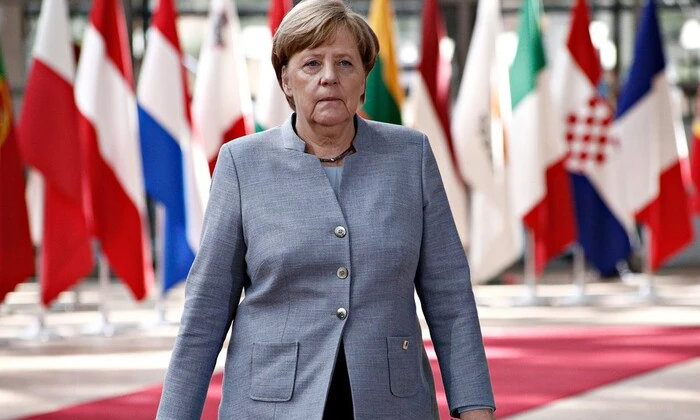
According to Главком: Jan van Aken, co-leader of Germany's Left Party, has put forward former Chancellor Angela Merkel as a potential EU negotiator between Russia and Ukraine. However, Merkel herself did not embrace the idea. In Berlin, the candidacies of Merkel, Gerhard Schröder, and Mario Draghi were all rejected. Speaking to reporters on Monday, van Aken argued that the European Union should take a more proactive role in negotiations and diplomacy. He emphasized that
“only Europe can move them forward”
.
Van Aken also expressed skepticism about Donald Trump's ability to save Ukraine. He noted that Merkel is fluent in Russian and has personal connections with Presidents Putin and Zelenskyy.
“Real negotiations between the two countries will take place this year,”
van Aken stated confidently. However, he dismissed the idea of appointing Schröder, who after leaving the chancellorship became a lobbyist for Russian energy companies. It is worth recalling that Schröder met with Putin in the Moscow Kremlin last week.
Stalemate Over Negotiator Appointment
For her part, Merkel did not support the proposal for her own appointment. Her office confirmed in May that no official requests had been made to her. In Berlin, the rejection of Merkel, Schröder, and Draghi as candidates highlights the lack of consensus on a suitable negotiator.
A meeting of leaders from Germany, France, and the United Kingdom took place in London on Sunday evening. Friedrich Merz, Emmanuel Macron, and Keir Starmer discussed support for Ukraine, with Ukrainian President Volodymyr Zelenskyy also joining the talks. The parties issued a joint statement outlining five conditions for peace, underscoring the importance of collective efforts in resolving the conflict.
Ultimately, Jan van Aken's proposal to appoint Angela Merkel as an EU negotiator between Russia and Ukraine failed to gain traction, while discussions about other candidates, including Gerhard Schröder, sparked mixed reactions.
The situation surrounding the appointment of a negotiator between Russia and Ukraine remains complex. The rejection of figures who once held significant sway in European politics suggests that EU countries are exploring new approaches to peace talks. The collective emphasis by the leaders of Germany, France, and the United Kingdom may signal the emergence of a new diplomatic format tailored to the region's current challenges.
As discussions around EU mediation intensify, the role of key figures in the negotiation process becomes increasingly critical. In light of Jan van Aken's proposal, the ongoing debates surrounding leadership in these talks are paramount. For further insights on the dynamics of EU negotiations regarding the Ukraine conflict, read about Mertz's call to spearhead the negotiations.

Read also