Defending Trump's Iran Strategy: The Role of U.S. Defense Secretary Pete Hegseth

The U.S. Military Campaign in Iran
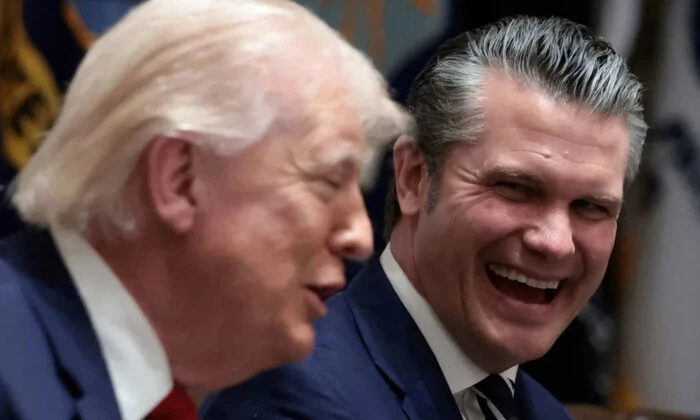
According to Главком: One month into the U.S. military campaign against Iran, Defense Secretary Pete Hegseth has emerged as the primary public defender of President Donald Trump's decisions. Hegseth works to downplay the threats preceding airstrikes and actively promotes the idea of a joint operation with Israel. This campaign unfolds as General Dan Cain is responsible for developing military strategy, while Hegseth focuses on shaping the public narrative surrounding the operations.
Pete Hegseth has repeatedly criticized the press for its coverage of war casualties and costs, highlighting his efforts to control the flow of information. His use of unsecured messaging apps to discuss war plans has also raised security concerns. Concurrently, Iran's blockade of the Strait of Hormuz is putting pressure on global markets, which could lead to wider economic repercussions. The situation underscores the complex interplay between military action, information warfare, and global economics.
Managing the Information War
President Trump continues to weigh options involving ground troops to secure Iranian uranium, signaling a potential escalation of the conflict. In response to media criticism, the White House has launched a broad campaign against major American news outlets. This media offensive involves FCC Chairman Brendan Carr and Pentagon chief Pete Hegseth, emphasizing the administration's focus on information control during wartime. Donald Trump's emphasis on his 'patriotic nature' further influences the administration's communication strategy during this volatile period.
The U.S. military campaign against Iran reveals not only the military but also the informational dimensions of modern conflict. The Trump administration's aggressive management of the information flow demonstrates an attempt to minimize negative public opinion, a tactic with significant potential consequences for domestic politics. Meanwhile, the escalating conflict and potential deployment of ground forces heighten the risks of further instability in the region and beyond.
As the U.S. military campaign against Iran intensifies, developments surrounding the Pentagon's strategic decisions are coming to light. Notably, recent reports indicate that key figures within the Pentagon were exploring investment opportunities in defense funds prior to the strike on Iran, raising questions about the motivations behind military actions. To understand the implications of these financial maneuvers and their potential impact on the ongoing conflict, read more about the financial interests linked to the Pentagon's decisions.

Read also