A Public Clash Erupts Between Ukraine’s Defense Ministry and Commander-in-Chief Syrskyi

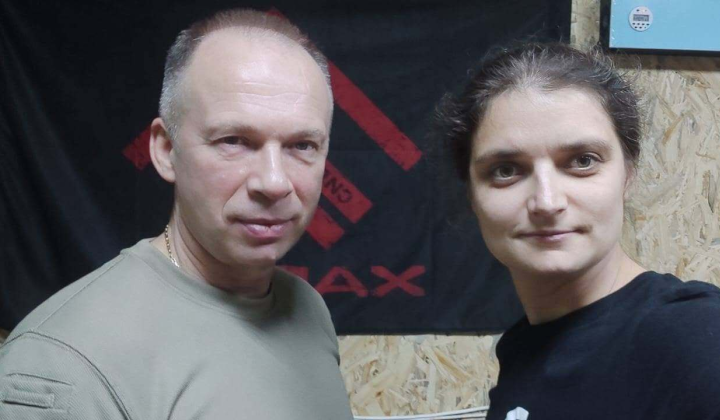
Open Conflict Between the Defense Ministry and Ukraine’s Top General
According to Radiotrek — Світ: On July 19, 2026, a dispute broke out between Ukraine’s Ministry of Defense, led by Mykhailo Fedorov, and the Commander-in-Chief of the Armed Forces, Oleksandr Syrskyi. This conflict became a public talking point amid the government’s resignation, which followed a series of scandals. Criticism was directed at three strategic-level officers: Syrskyi, Klymenko, and Khmarа.
Mariia Berlinska’s Stance
In this context, it is worth noting that Oleksandr Syrskyi-who oversaw the Kyiv, Kharkiv, and Kherson operations in 2022-received backing from several military figures and experts. For instance, Valerii Zaluzhnyi described Syrskyi as a professional in early 2024, and Syrskyi himself actively promoted the integration of cutting-edge technologies into combat operations, including expanding the training of FPV drone operators.
Against this backdrop, Mariia Berlinska published a post defending Syrskyi and calling for unity. Her post outlined nine points, noting that the rift between the Defense Ministry and the Commander-in-Chief had been longstanding, though previously kept out of the public eye. She stated that the conflict reflected two competing management philosophies on how to wage war. At the same time, she acknowledged that all officers, including Syrskyi, are open to criticism, but stressed that such criticism must remain constructive.
- During the protests that accompanied these events, the names Drapatyi, Biletskyi, and Brovdi were mentioned as potential candidates for the position of Commander-in-Chief.
- Berlinska emphasized that while citizens have the right to voice their opinions, they do not have the power to choose who becomes Commander-in-Chief.
- She urged mutual respect and collaboration, stating, “We are at war, and to counter the enemy, we need everyone.”
These developments unfolded alongside major shifts in Ukraine’s military leadership, particularly an open debate in spring 2025 over who should lead the Special Operations Forces. Minister Fedorov and Commander-in-Chief Syrskyi both backed Robert Brovdi for that role. At the same time, criticism of Syrskyi included accusations of rigidity and authoritarianism, as well as a perceived lack of support for modern technologies in combat operations.
Internal conflicts within the military command can significantly affect the overall strategy and effectiveness of Ukraine’s Armed Forces, especially as hostilities continue. It is crucial for leadership to find common ground and work as a team, as this impacts not only the success of operations but also the morale of troops. Mariia Berlinska’s call for unity underscores the need for cooperation and constructive dialogue during these challenging times for the country.
As tensions rise within the military leadership, Fedorov's recent admission of discord with Syrskyi sheds light on the underlying issues that may influence future decisions regarding the command structure. This development not only highlights the complexities of military governance but also raises questions about the potential implications for Ukraine's defense strategy amidst ongoing challenges.

Read also