In Uzbekistan, archaeologists found an ancient temple with tulip paintings

Archaeological Discoveries in Uzbekistan
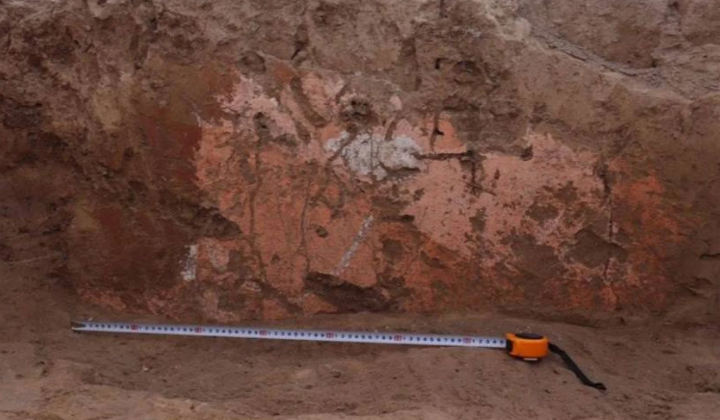
According to НВ — Техно: On August 31, at 21:04. During excavations at the Boburtep monument, located in the Kamashinsky district of the Kashkadarya region of Uzbekistan, remnants of an ancient structure and wall paintings with tulips and white flowers were discovered. The structure, based on preliminary estimates, could have served as a cult site in the 4th-5th centuries AD. The importance of this find is emphasized by the unique images found on the western wall of one of the rooms. The wall painting was executed on clay plaster and complemented by thin wavy lines of red color.
The research is being conducted by Sanjar Abdurakhimov, an employee of the Archaeology Institute of the Samarkand branch. However, this is not the only significant archaeological project in the region. In the ancient settlement of Kuva in the Ferghana region, remnants of walls dating from the 3rd century BC to the 10th century AD have been discovered. These finds testify to the rich cultural heritage and history of this region.
Additional Discoveries and Research
Moreover, in Sopollytepa, a Bronze Age settlement in the Surkhandarya region, three fragments of ancient silk moth cocoons were found. These discoveries indicate silk production nearly 4000 years ago, confirming the presence of a developed textile industry at that time.
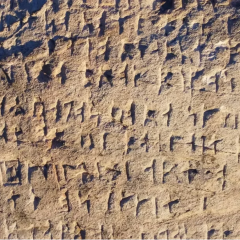
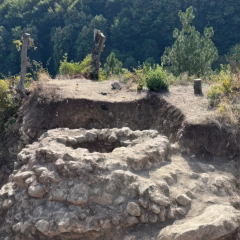
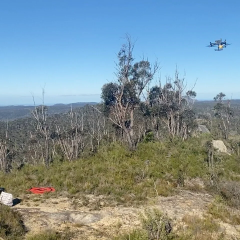
A Czech-Uzbek team of archaeologists, led by Ladislav Stanko from Charles University, also conducted research on the Hellenistic military camp of Iskandar-Tepa, located on the border between ancient Bactria and Sogdiana. During the research, magnetometry and ground-penetrating radar were used, which allowed for the detection of a perimeter ditch nearly 400 meters long. This ditch encompasses an area of about 1.2 hectares and was not clearly visible from the ground or in satellite images. The age of the Greek military camp in southern Uzbekistan exceeds 2000 years.
These archaeological discoveries testify to the rich cultural and historical heritage of Uzbekistan, providing new opportunities for studying the development of civilizations in the region. Discoveries such as the wall paintings of Boburtep and the remnants of the military camp of Iskandar-Tepa highlight the importance of Uzbekistan as a crossroads of cultures and trade routes.
These findings may prove key to understanding the social, economic, and religious aspects of life in the past.
Interesting archaeological discoveries are not limited to the territory of Uzbekistan. Recently, a unique ceremonial kitchen dating back 3200 years was discovered in Azerbaijan, which also speaks of the rich cultural heritage of the region. These findings highlight the significance of archaeology for understanding the history and traditions of the peoples of Central Asia.

Read also