IOC Lifts Ban on Russian Olympic Committee After Pledge to Avoid Activity in Ukraine

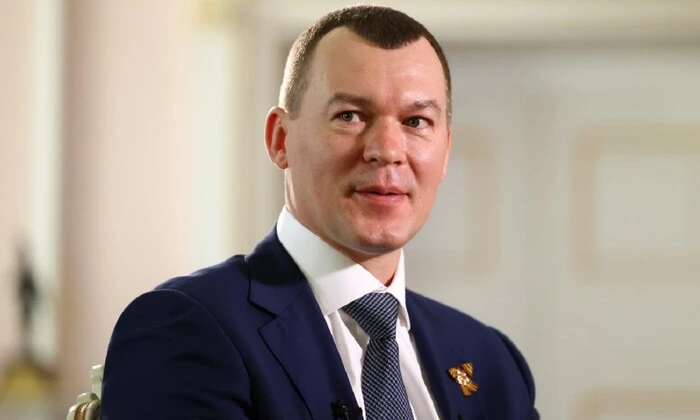
Mikhail Degtyarev's Statement on the ROC's Operations
According to Главком: On July 9, 2026, Russia's Sports Minister and President of the Russian Olympic Committee (ROC), Mikhail Degtyarev, declared that the ROC would continue its operations in the occupied territories of Ukraine. Degtyarev made this announcement during a conversation with propagandist Vladimir Solovyov. His remarks followed a temporary lifting of the ban on the ROC, which had been in place since October 12, 2023.
Reforms and the ROC's Stance
In his speech, Degtyarev noted that in 2024, the ROC carried out an administrative reform that abolished all 89 regional Olympic councils across Russia. Among those dissolved were four councils from the so-called Novorossiya region. He argued that the abolition caused little concern, as these councils typically involved only two or three individuals supposedly promoting Olympic values.
“The Olympic Committee operates throughout all of Russia’s territory as defined by the Constitution. So all this is nonsense, lies, and provocations.” – Mikhail Degtyarev
Degtyarev also emphasized that the ROC has not relinquished any territories. He added, 'Crimea is ours, Novorossiya is ours.'
The International Olympic Committee (IOC) Executive Board decided to temporarily lift the ban on the ROC after a thorough review by the IOC's Legal Affairs Commission. In reaching its decision, the IOC considered that the ROC no longer includes any regional sports organizations from areas under the jurisdiction of the National Olympic Committee (NOC) of Ukraine. The ROC confirmed that it does not and will not conduct any activities in these territories.
The IOC reserves the right to take further action if necessary. Additionally, the committee plans to decide on the use of Russian symbols at the Olympic Games at an appropriate time. The IOC Executive Board will continue to closely monitor any ROC activities in these areas.
Degtyarev's statement highlights Russia's ongoing efforts to legitimize its presence in occupied Ukrainian territories through sports bodies. The lifting of the ban on the ROC may signal a shift in how international sports organizations engage with Russian entities, potentially reflecting political maneuvering in global relations. By retaining the ability to respond, the IOC underscores the need to oversee the ROC's actions and ensure compliance with international law in the sporting arena.
The recent developments regarding the ROC's operations have sparked significant controversy, with critics like Dominik Hašek accusing the IOC of enabling Russian war propaganda. This situation raises questions about the implications of the IOC's decisions and their impact on the Olympic movement. For a deeper understanding of these accusations and their context, read more about the IOC President's alleged complicity in war propaganda.

Read also