IMF May Delay VAT Requirement for High-Revenue Sole Proprietors in Ukraine: Key Details

VAT Implementation in Ukraine
According to Главком: The International Monetary Fund could postpone its demand that Ukraine introduce value-added tax (VAT) for individual entrepreneurs with substantial earnings. A final decision is expected following negotiations with the IMF, scheduled for late May to early June. This VAT requirement stems from a European Union directive and is also embedded in Ukraine’s National Revenue Strategy, which was drafted by the Ministry of Finance.
Talks with the IMF
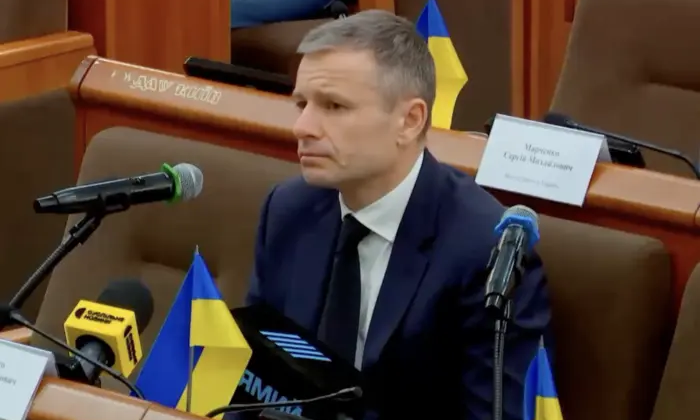
Ukraine’s Finance Minister Serhiy Marchenko confirmed that during the spring meetings, he and Prime Minister Yulia Svyrydenko held discussions with IMF representatives.
“It is a fact that the prime minister and I had talks on this issue during the spring meetings. We presented arguments and convincingly demonstrated to our partners that this decision is untimely and that we believe it should be postponed,” Marchenko stated.
He also expressed optimism that the VAT question could be reconsidered favorably, aligning with Ukraine’s needs:
“There is a sense that this issue may be reviewed in a positive light according to our requirements and will be delayed.”
It is worth noting that the VAT requirement is enshrined in an EU directive and serves as a key component of the National Revenue Strategy.
As of the first quarter of 2026, Ukraine has seen a positive trend among individual entrepreneurs: 11,297 more new sole proprietorships were opened than closed. Between January and March 2026, 63,920 new entrepreneurs were registered, while 52,623 ceased operations. This indicates robust entrepreneurial activity in the country, which could influence future decisions on VAT implementation.
Delaying the introduction of VAT for individual entrepreneurs could be a crucial step in supporting business activity in Ukraine, especially amid the rising number of new entrepreneurs. The upcoming talks with the IMF will likely play a major role in shaping the country’s fiscal policy and its ability to adapt to current economic conditions. Subsequent decisions on this tax may significantly impact small and medium-sized enterprises, a vital sector of Ukraine’s economy.
As discussions surrounding the VAT requirement continue, it is essential to consider the recent developments that have emerged. Notably, the IMF's decision to drop the VAT requirement for sole traders marks a significant policy shift that could have lasting implications for Ukraine's entrepreneurial landscape. This change reflects a growing recognition of the need to support individual entrepreneurs during challenging economic times.

Read also