Over 3,300 Radioactive Waste Barrels Discovered on the Atlantic Ocean Floor

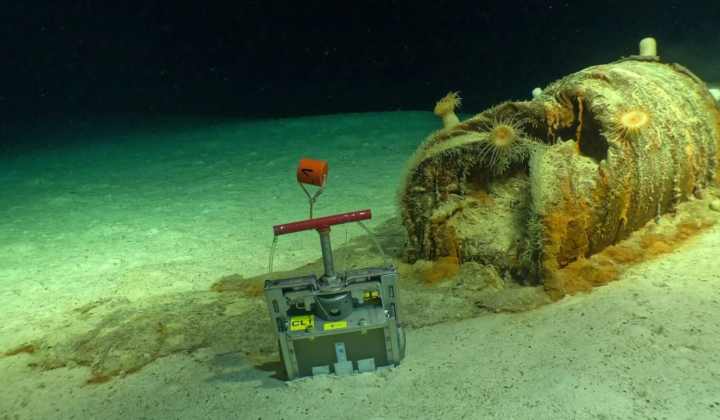
Thousands of Radioactive Waste Barrels Found on the Deep Atlantic Seafloor; Some Severely Corroded
According to НВ — Техно: Between 1949 and 1982, several European nations disposed of low-level radioactive waste by dumping it into the Atlantic Ocean. Recent research conducted by French scientists as part of the NODSSUM project in 2025-2026 uncovered more than 3,355 containers holding radioactive substances at depths ranging from 3,000 to 5,000 meters. A portion of these barrels showed significant corrosion, leading to leaks that mixed radioactive material with surrounding sediments.
In total, over 200,000 barrels containing more than 150,000 tons of waste from medical, industrial, and scientific sources rest on the ocean floor. These materials include long-lived radionuclides such as:
- Cesium-137
- Plutonium isotopes
- Tritium
During the expeditions, other radioactive elements detected included:
- Cobalt-60
- Niobium-94
- Cesium-137
- Americium-241
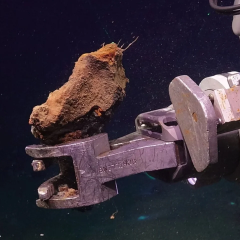
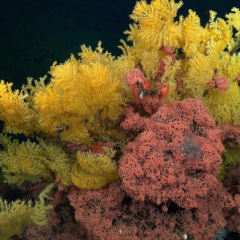
The initial expedition in June 2025 enabled researchers to map 3,355 barrels. In May 2026, the team returned aboard the vessel Pourquoi Pas? and conducted 20 dives using the Nautile submersible at depths exceeding 4,700 meters. These dives revealed clusters of marine life thriving near the damaged containers, including sea anemones, sponges, sea cucumbers, fish, crustaceans, and crabs.
Equipment aboard the submersible and samples collected during the missions showed no evidence of hazardous contamination. Preliminary findings suggest that radiation levels posed no significant threat to the safety of the research team. This study represents the first comprehensive mapping of thousands of radioactive waste containers on the Atlantic seabed, highlighting potential environmental concerns.
The discovery of such a large volume of radioactive waste on the ocean floor underlines the lasting impact of past disposal practices in marine environments. These findings provide crucial data for future ecological assessments and monitoring of ocean health, and they may prompt discussions about the need for stricter international regulations on radioactive waste disposal. Given the presence of diverse marine organisms near the contaminated barrels, ongoing research is essential to evaluate environmental risks and their effects on deep-sea ecosystems.
In addition to the concerning findings of radioactive waste, recent studies have also highlighted the presence of various pollutants in the Atlantic. For instance, Argentine researchers discovered plastic and fishing debris at depths reaching 3,800 meters. This raises further questions about the impact of human activities on oceanic ecosystems and the potential risks posed by such contaminants.

Read also