Oil Prices Jump 2% as U.S.-Iran Tensions Escalate

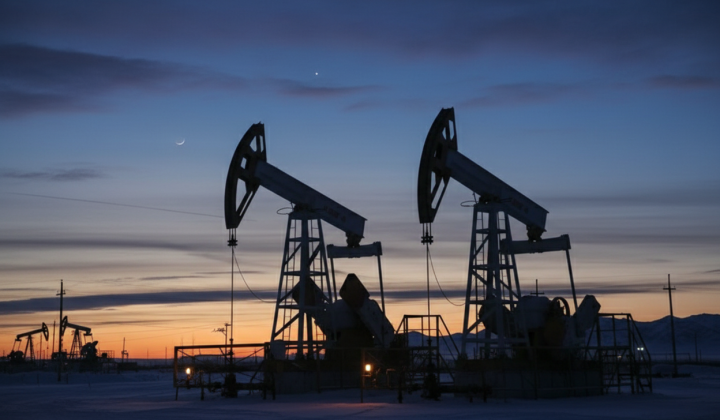
Oil Prices Surge Amid Heightened U.S.-Iran Confrontation
According to Главком: Global oil prices climbed roughly 2% following a sharp increase in tensions between the United States and Iran. This market movement coincided with reports of declining crude inventories at two major global storage hubs. Brent crude futures rose by $1.52, or 2.2%, to $70.32 per barrel, while West Texas Intermediate (WTI) crude increased by $1.50, nearly 2.4%, to $65.46.
The price spike was triggered by U.S. President Donald Trump's announcement that he is considering a range of military options in response to threats from Iran, including the potential deployment of a second aircraft carrier strike group to the Middle East. A new round of talks between the U.S. and Iran is expected in the coming days. For its part, Iranian Foreign Minister Abbas Araghchi emphasized that recognizing Tehran's right to enrich uranium remains a key precondition for any further dialogue.
Geopolitical Tension's Direct Impact on Oil Markets
Analysts note that Middle Eastern instability continues to underpin oil prices, even though there are currently no supply disruptions. Giovanni Staunovo, an analyst at UBS, pointed to the market's acute sensitivity to political risk in the region. However, Tamas Varga of PVM Oil Associates suggested that despite the bellicose rhetoric, there are no immediate signs of conflict escalation, and the U.S. President believes Iran will ultimately seek a deal regarding its nuclear missile program. The Strait of Hormuz, a critical chokepoint for global oil shipments, remains a focal point of concern during such regional standoffs.
The recent oil price increase, driven by the escalating U.S.-Iran confrontation, highlights the market's vulnerability to geopolitical risk. While there is no immediate threat to physical supply, any further military action could significantly impact global energy prices. The situation remains fluid, and the outcome of upcoming diplomatic talks will be crucial for determining the future course of events in the region and for oil markets worldwide.

Read also