NASA Puts PExT Terminal to the Test for Multi-Network Broadband Connectivity in Space

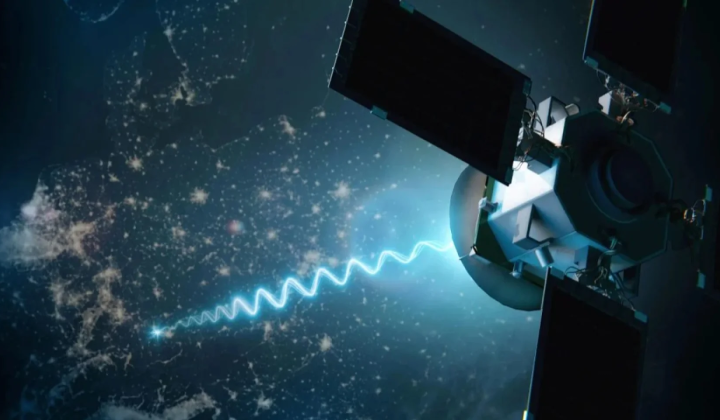
PExT Terminal Trials Underway
According to НВ — Техно: NASA has initiated testing of the PExT terminal, which launched on July 23, 2025, aboard York Space Systems' BARD spacecraft. Designed to validate broadband communication technology, this terminal enables a single spacecraft to operate seamlessly across multiple satellite networks simultaneously. The mission's primary objectives were achieved by December 2025.
Test Details and Milestones
During the trials, the PExT terminal utilized the Ka-band for data transmission. It relayed information through NASA's Tracking and Data Relay Satellite System, as well as commercial networks operated by Viasat and SES Space and Defense. In January 2026, NASA expanded the testing program, which is now scheduled to continue at least until April 2027.
As part of this extended effort, NASA is conducting direct-to-Earth communication tests via the global ground station network of SSC Space. More than 50 direct data exchange sessions are planned through a partner ground station in Weilheim, Germany. Additionally, NASA is collaborating with Aalyria Technologies to demonstrate its Spacetime software platform. The project is funded and managed by NASA's Space Communications and Navigation (SCaN) program in partnership with the Johns Hopkins University Applied Physics Laboratory.
These tests represent a significant step forward for space communication technologies, allowing spacecraft to efficiently leverage diverse networks for data transfer. This not only enhances communication reliability but also has the potential to reduce the cost of space-based communication services. Running through 2027, the program will serve as a critical milestone in improving links between space missions and Earth, opening up new opportunities for data collection and exchange. The involvement of commercial partners also highlights the private sector's growing role in advancing space technology.
As NASA advances its communication capabilities in space, it is essential to consider the challenges posed by the increasing amount of debris orbiting Earth. With over 33,000 pieces of space junk now crowding our planet's vicinity, the safety and reliability of satellite operations are more crucial than ever. Understanding the implications of this growing issue can provide valuable insights into the future of space missions and their communication needs. For a deeper look into the current state of space debris, visit the latest report on space debris.

Read also