Scientists Unveil Mechanism of Rare Aggressive Form of Alzheimer’s

Rare yet Extremely Dangerous Form of Alzheimer’s Disease
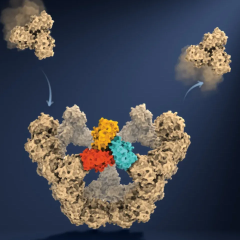
According to НВ — Техно: An international group of researchers has uncovered the molecular mechanism behind a rare aggressive form of Alzheimer’s disease caused by a Flemish mutation of the amyloid precursor protein. The study, published on August 12 at 4:00 PM in the journal Nature Structural & Molecular Biology, revealed a previously unknown Z-shaped folding pattern of amyloid filaments. This form damages the walls of blood vessels and explains the rapid progression of the disease.
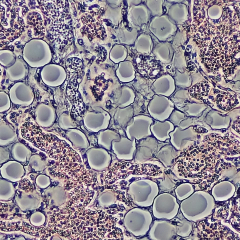
The Flemish mutation of the amyloid precursor protein has been identified in only a few families worldwide. This mutation leads to massive accumulation of beta-amyloid plaques in the brain’s blood vessels and around them, causing cerebral amyloid angiopathy. This disease is accompanied by intracerebral hemorrhages and typically results in a fatal outcome by the age of 60.
Research and Its Results
The research was conducted on post-mortem brain tissue samples from patients with the Flemish mutation. Scientists employed high-resolution cryoelectron microscopy to identify the characteristics of the mutated protein. Notably, it was found that the mutation removes a methyl group in the protein, resulting in the exposure of the amino acid residue F20 on the surface of the filament. This residue interacts with components of the vessel walls.
In laboratory conditions, the mutated protein shows less tendency to aggregate compared to normal forms. However, in living tissue, it forms the largest, most stable, and neurotoxic plaques, confirming its aggressiveness and danger to patients.
The results of this research open new horizons for understanding the mechanisms behind aggressive forms of Alzheimer’s disease. This could aid in the development of new approaches to treatment and prevention of the disease.
Understanding the molecular mechanisms underlying aggressive forms of Alzheimer’s disease is an important step in medical science. Identifying the Flemish mutation and its impact on the disease's progression may serve as a foundation for new therapeutic strategies that can help reduce the risk of developing the disease in individuals predisposed to it. This research highlights the need for further investigation into genetic factors that may influence the development of neurodegenerative disorders.
In addition to the findings on the Flemish mutation, recent studies have highlighted the discovery of previously unseen mitochondrial plaques in the brains of Alzheimer’s patients. This new evidence suggests a complex interplay between various pathological features of the disease, potentially offering insights into its progression and treatment. For more on this groundbreaking research, read about the newly discovered mitochondrial plaques.

Read also