Key Theory of Cerebellum Function Overturned by Scientists

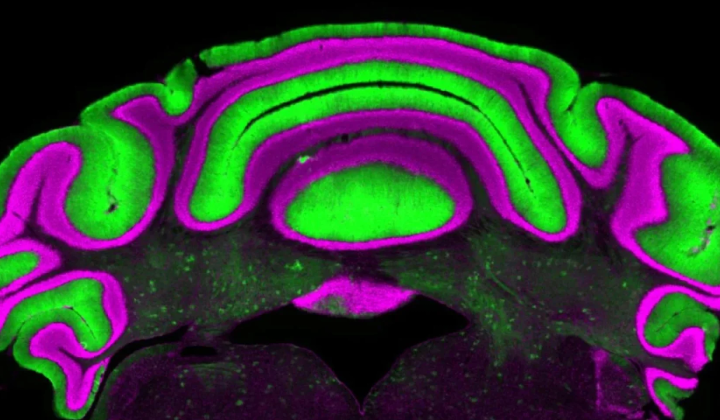
Virginia Tech Study Challenges Cerebellum Assumptions
According to НВ — Техно: Researchers at Virginia Tech have upended long-held beliefs about how the cerebellum operates, a shift that could significantly impact the study of movement disorders. The cerebellum is the brain region responsible for coordinating movement, and this new investigation found no direct link between the activity of Purkinje cells and the neurons in the deep cerebellar nuclei. This discovery suggests that to better understand conditions like dystonia, ataxia, and tremor, scientists must directly analyze deep neurons rather than relying on previous models.
Key Findings from the Research
The Virginia Tech team analyzed electrical brain recordings gathered during studies of cerebellar disease models. Their results revealed that Purkinje cells-which are typically thought to send signals that inhibit deep nuclear neurons-do not significantly influence the behavior of those deeper cells. This challenges the conventional understanding of neural circuitry in the cerebellum.
Importantly, treatments designed to modify Purkinje cell activity may not necessarily affect other parts of the cerebellum. This finding casts doubt on traditional approaches to treating movement disorders and highlights the urgent need for new strategies that involve direct analysis of deep neuron activity. Since disruptions in cerebellar function can severely impair motor control, these insights could mark a major milestone in understanding these processes.
Ultimately, the Virginia Tech research opens fresh avenues for studying and treating movement disorders by emphasizing the critical role of deep neurons. It calls for a fundamental rethinking of current medical frameworks and may drive further investigation in this field, potentially leading to more effective therapies for patients with cerebellum-related conditions.
As researchers continue to explore the complexities of brain function, understanding the mechanisms behind neuron behavior is crucial. Insights from how developing neurons can damage their own DNA reveal important implications for overall brain health. This exploration complements the recent findings on cerebellar function, highlighting the intricate relationships within neural networks that could reshape treatment approaches for various neurological conditions.

Read also