Netanyahu Tours Southern Lebanon Following Security Agreement

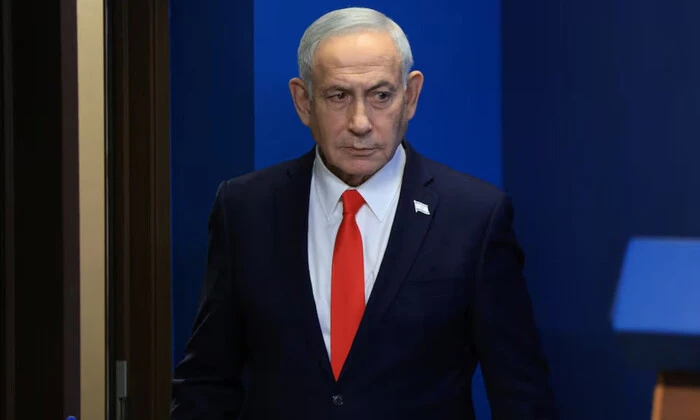
Israeli Prime Minister’s Visit to Lebanon
According to Главком: On Tuesday, Israeli Prime Minister Benjamin Netanyahu visited occupied territory in southern Lebanon-a significant move after a U.S.-brokered security deal between Israel and Lebanon was finalized last Friday. The agreement involves handing over two pilot zones to the control of the Lebanese army. Accompanying the prime minister were Israel’s Defense Minister Israel Katz and senior military commanders.
Netanyahu stressed that the Israel Defense Forces (IDF) will not withdraw from the region as long as the Iran-backed militant group Hezbollah continues to pose a threat. The Israeli incursion into Lebanon began after Hezbollah launched an attack on March 2, which was itself a response to a U.S.-Israeli strike on Iran on February 28. Since the escalation in March, Israeli forces have eliminated roughly 9,000 fighters in Lebanon. At the same time, Hezbollah still maintains an arsenal of approximately 12,000 rockets and shells.
Conflict’s Toll on Civilians
Since the start of the campaign in Lebanon, over 4,000 Lebanese have been killed, and more than one million have been displaced. On the Israeli side, at least 32 soldiers and four civilians have died. Iran is pushing for a ceasefire in Lebanon, while Israel opposes linking the Lebanese track to its war against Tehran. Under U.S. pressure, Israel agreed to a truce with Hezbollah on June 19.
U.S. President Donald Trump has called Israeli Prime Minister Benjamin Netanyahu 'crazy' and noted that without his support, Netanyahu would be in prison.
Netanyahu’s visit to the occupied territories highlights the importance of the security agreement amid ongoing tensions between Israel and Lebanon. While the deal-which places certain zones under Lebanese army control-could be a step toward stabilizing the situation, the threat from Hezbollah and its weapons stockpile remain serious challenges for regional security. Observers will be watching closely for further moves by both sides, as the risk of escalation still looms.
As tensions escalate, Israel's recent shift in military strategy is evident, particularly following the tragic loss of five soldiers. This change in stance highlights the ongoing challenges faced by the Israeli Defense Forces and the broader implications for regional security. For more insights on Israel's evolving military approach, you can read about the defensive measures adopted after recent casualties.

Read also