March 30th Overnight: Explosions in Taganrog, Chernihiv Attack, and a Sharp Spike in Oil Prices

Key Events for March 30th
According to Главком: Several significant incidents occurred overnight leading into March 30th. A series of explosions rocked the Russian city of Taganrog, causing alarm among residents. Simultaneously, Russian occupying forces struck a critical infrastructure facility in the Ukrainian city of Chernihiv. Local authorities in Chernihiv provided the following statement:
"The enemy struck a critical infrastructure facility in the city of Chernihiv. Information is being clarified." - Chernihiv Local Authorities
International Developments
On the global stage, oil prices saw a sharp increase. The price of Brent crude on the London ICE exchange surged past $115 per barrel, reaching approximately $115.70. This followed a 3% daily gain, after the price had stood at around $112.50 per barrel on Friday. These market movements underscore the volatility triggered by geopolitical instability.
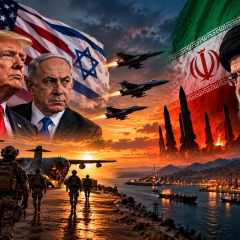
In a separate development, former U.S. President Donald Trump commented on potential negotiations with Iran, stating:
"A deal could be reached fairly quickly." - Donald Trump
It was also reported that the number of U.S. military personnel in the Middle East now exceeds 50,000. These events point to rising regional tensions and potential shifts in international diplomacy, as Pakistan prepares to facilitate talks between the U.S. and Iran in the near future.
Collectively, these developments illustrate a complex and evolving geopolitical landscape, set against the backdrop of the ongoing war in Ukraine and heightened Middle Eastern friction. The spike in oil prices is likely linked to this regional instability and the prospect of U.S.-Iran talks, which could significantly impact global energy markets. The situations in both Ukraine and the Middle East demand close observation, as new decisions in these theaters could have worldwide consequences.
As the situation in Ukraine intensifies, the European Union has pledged substantial financial support to bolster the region's defenses. This move comes at a time when global tensions are rising, particularly with the ongoing threat from Iran, as highlighted by Israeli Prime Minister Netanyahu. For a deeper understanding of these interconnected issues and their implications for international security, read more about the EU's commitment and regional dynamics here.

Read also