Germany and Ireland Slash Benefits for Ukrainian Refugees

Germany Overhauls Its Social Welfare System
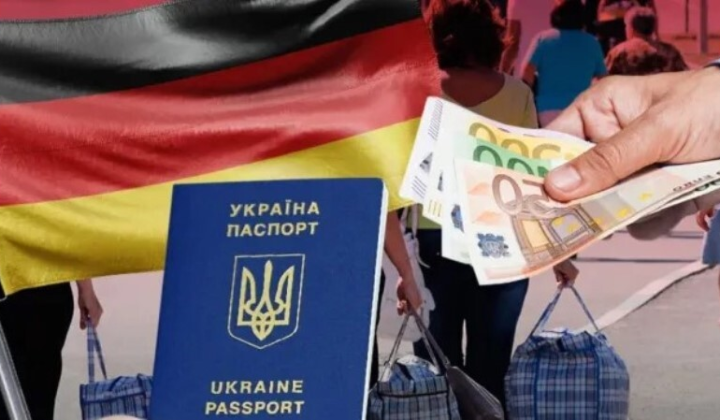
According to Radiotrek — Світ: Starting in July 2026, Germany introduced a new social benefits framework called Grundsicherung, replacing the previous Bürgergeld system. The reform aims to tighten requirements for employable refugees, affecting approximately 5.5 million people. Under the new rules, refusing to attend job training courses results in a 30% benefit cut for three months. Missing appointments at the Jobcenter can also trigger penalties, including a complete loss of payments.
Germany has also eliminated the one-year protective period for savings up to €40,000. Benefits may be reduced or entirely revoked if recipients ignore scheduled Jobcenter meetings, fail to apply for suggested job openings, or turn down offered positions.
“From now on, all unemployed individuals must accept any job they are physically and mentally capable of performing, even if the position does not match their diploma or experience.” - independent source
Penalties and Their Consequences
A key change is that when sanctions are applied, housing rental payments are sent directly to landlords. These measures reflect a broader European trend of tightening social support systems. Ireland is also taking similar steps to reduce assistance for Ukrainians, preparing to phase out its EU Temporary Protection program. Dublin has announced plans to end free state-provided housing and cut cash allowances for Ukrainian beneficiaries.
Overall, Germany’s new Grundsicherung system and comparable moves in Ireland signal a widespread rollback of support programs across Europe. These changes are causing concern among refugees and social workers, as they could heighten social tensions and economic instability. Such reforms may also jeopardize refugee integration by raising employment requirements while making assistance less accessible.
The recent changes in Germany's social welfare system are not isolated, as similar adjustments are being made in other European nations. For instance, Ireland is also reevaluating its support for Ukrainian refugees, which could lead to further challenges for those seeking stability in these countries. Understanding these developments is crucial for assessing the broader implications for refugee assistance across Europe.

Read also