Germany Urges Joint Missile Development with Ukraine After U.S. Refuses to Station Tomahawks

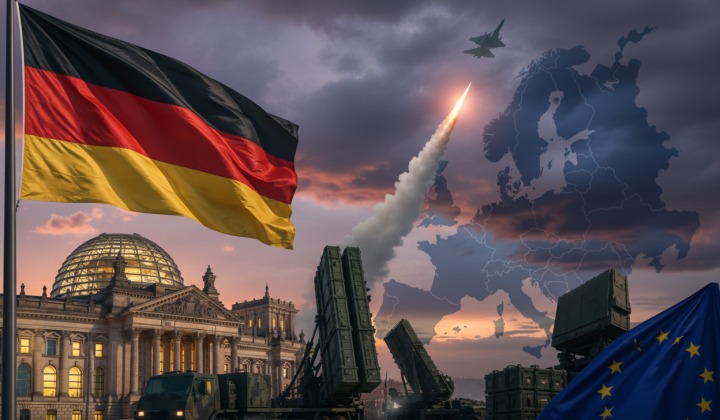
Shift in Germany’s Defense Strategy
According to Главком: In response to the United States’ decision not to deploy Tomahawk cruise missiles on its soil, voices in Germany are calling for a fundamental reassessment of defense policy. Roderich Kiesewetter, a defense expert from the German CDU party, has proposed developing missile systems jointly with Ukraine, with the goal of having them operational by 2030. He stated,
“The solution is to develop something similar together with Ukraine, so that such systems are available by 2030”
- Roderich Kiesewetter. Kiesewetter also called the U.S. refusal to station the missiles a 'massive mistake,' stressing the need to upgrade conventional weapons.
Expert Perspectives on the Situation
Security specialist Nico Lange also weighed in, highlighting the deployment of Russian Iskander missile systems in the Kaliningrad region. Lange expressed concern that without American missiles,
“the gap in the deterrent system will remain unresolved”
- Nico Lange. He emphasized that 'if American missiles do not arrive, we will need German or European, or at least U.S.-independent, long-range strike capabilities for deterrence.'
For context, during a four-week campaign against Iran, U.S. forces fired over 850 Tomahawk cruise missiles. These weapons were first used in combat during the 1991 Gulf War. Only a few hundred are produced annually, and the Pentagon does not disclose the exact number in its arsenal. Amid modern threats, the debate over defense policy and independence from external decisions is becoming increasingly urgent for Germany and its European partners.
As security challenges in Europe mount, the comments from German experts highlight the need to adapt the country’s defense strategy to new realities. Joint missile development with Ukraine could be a key step in strengthening the defense capabilities of both Germany and Europe as a whole. A critical part of this process is ensuring independence from external decisions, allowing for a more effective response to potential threats from Russia and other nations. This issue is growing in relevance amid ongoing geopolitical shifts.
As Germany reassesses its defense strategies in light of the U.S. withdrawal, the implications of such decisions are becoming increasingly significant. This shift in military posture follows the cancellation of missile deployments that could impact regional security dynamics. Understanding these developments is crucial for grasping the broader context of European defense initiatives.

Read also