Solar Panel Efficiency Record Broken by German Physicists

Breakthrough in Solar Energy
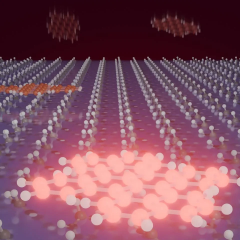
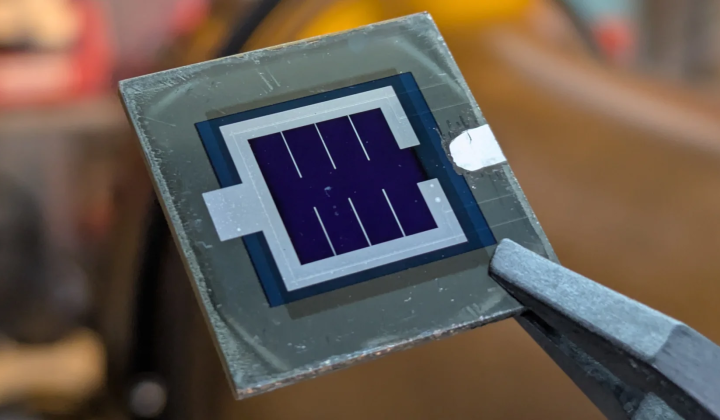
According to НВ — Техно: On July 2 at 6:15 PM, physicists in Berlin announced a solar cell efficiency of 25.5%. This tandem cell combines two materials: CIGS-made from copper, indium, gallium, and selenium-alongside perovskite. The finished cell measures 1.081 cm² in total area. The research, led by Dr. Guillermo Farias Basulto, opens up new possibilities for advancing solar energy technology.
Dr. Farias Basulto explained that achieving this milestone required using bottom cells with varying bandgap widths, as well as two layers of aluminum-doped zinc oxide of different thicknesses.
“To surpass our previous benchmark […], we employed bottom cells with different bandgap widths and two aluminum-doped zinc oxide layers of varying thicknesses, with similar properties,” he emphasized.
Outlook and Innovation
It is important to note that surpassing the 1 cm² threshold is considered a barrier in the solar energy field. The researchers reported that the Solar Cell Efficiency Tables (Green Tables) reference guide does not list a technology until it proves its effectiveness on an area larger than 1 cm². Nevertheless, the team already has their own tests of similar architectures that have achieved 27.5% efficiency.
“The physics embedded in our current cell architecture indicates that 25.5% is merely an intermediate step, as our own tests of similar architectures have already reached 27.5% efficiency,” added Dr. Farias Basulto.
These achievements open new horizons for the future of solar energy, setting fresh targets for researchers in this field. Boosting solar cell efficiency is a crucial step in the development of renewable energy, which could significantly lower the cost of generating electricity from sunlight. Given global efforts to transition to clean energy sources, the findings of this study may stimulate further investment and attention toward new technologies in this area. Moreover, the Berlin team's accomplishment could serve as a foundation for future innovations in solar panel production.
In a similar vein, Chinese solar panels have recently set a world record for efficiency, further highlighting the global advancements in solar technology. This ongoing competition among researchers not only drives innovation but also emphasizes the importance of increasing solar energy efficiency in the quest for sustainable energy solutions.

Read also