New Zealand for Ukrainians - visa, allowances, and conditions for refugees

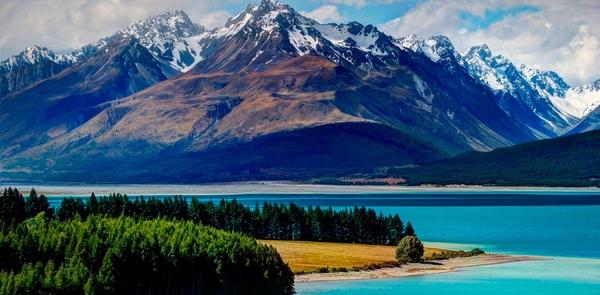
New Zealand, although not the most popular country for migration, has many advantages. Even today, you can find queries online such as New Zealand for Ukrainians allowances and New Zealand for Ukrainian refugees. This means that there are many social programs operating in this country. Overall, it is worth separately considering what New Zealand visa for Ukrainians is and what conditions for staying in this country remain legal.
Conditions for entry and stay for Ukrainians in New Zealand
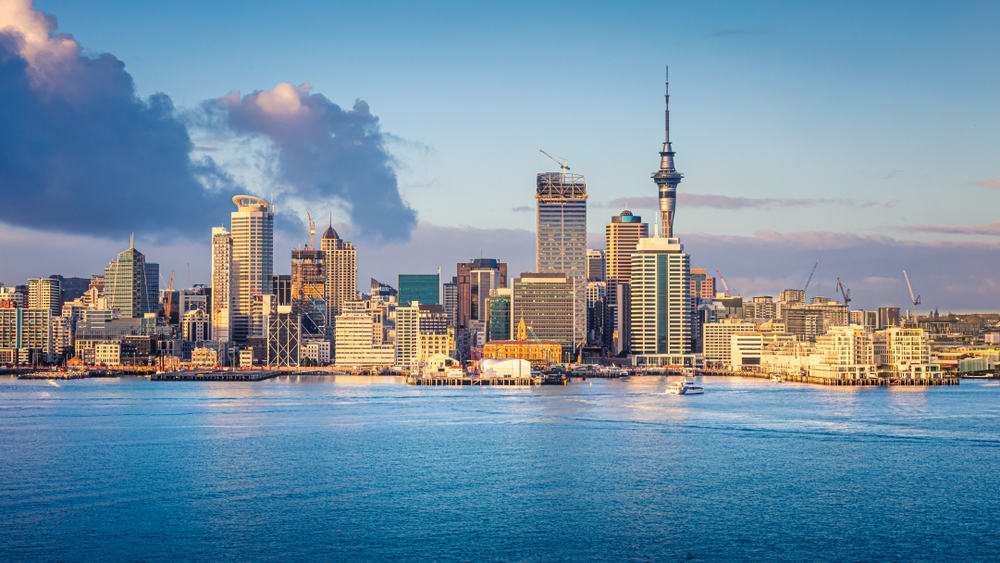
New Zealand remains one of the most remote, yet at the same time, safest countries in the world, where Ukrainians consider the possibility of relocating due to the war, professional realization, or family reunification. Despite geographical distance and the absence of direct flights from Ukraine, the country attracts people with its stable economy, high quality of healthcare, and quality education system. As of 2026, the country's migration policy concerning Ukrainian citizens has significantly changed compared to the initial period of the full-scale invasion, therefore it is worth detailing the current entry conditions, visa programs, social support, and pathways to legalization.
As of 2026, Ukrainian citizens do not have a visa-free regime for entry into New Zealand, so any trip to the country requires prior processing of the corresponding visa category. The only available format for short-term entry remains the Visitor Visa, which is issued exclusively online through the official immigration service portal. The permit grants the right to stay in the state for up to ninety days during one trip but does not grant the right to official employment or long-term residence.
It is important to note that the special emergency visa for Ukrainian refugees, introduced by the country's government in 2022 immediately after the full-scale invasion began, is currently completely closed to new applicants. The acceptance of applications under this program was finally suspended in March 2024, so citizens who did not manage to use this mechanism earlier no longer have access to the preferential entry procedure based on refugee status.
To apply for a tourist visa, the applicant is required to provide a detailed travel plan indicating the route, places of residence, and financial support for the stay, as well as to confirm the availability of a return ticket or sufficient funds for further travel. The review of the application usually takes from a few days to three weeks, depending on the completeness of the submitted document package. The consular authority reserves the right to additionally request the original passport of the applicant for physical verification, despite the electronic format of the permit itself.
Visa programs and opportunities for legalization
Ukrainians who received the Special Ukraine Visa in 2022 and arrived in New Zealand no later than March 15, 2024, have the right to apply for a permanent resident permit under the special Ukraine Resident Visa program. Applications under this mechanism started on March 16, 2024, and will continue until March 16, 2026, after which acceptance of new applications will be definitively closed. A distinctive feature of the program is the lack of a requirement for mandatory English language testing, and applicants have the right to include their partner and dependent children in their application.
For citizens who do not meet the criteria of the special refugee program, standard pathways to legalization under general immigration conditions remain available, including:
- Skilled Migrant Category Resident Visa - a category for highly qualified professionals whose profession is included in the list of in-demand occupations, particularly in the fields of information technology, medicine, and engineering.
- Essential Skills Work Visa - a work visa for workers who have received an official job offer from a New Zealand employer.
- Entrepreneur Work Visa - permission for individuals planning to start or purchase an existing business in the country.
- Investor Visa - an investment category that requires the investment of a specified amount of capital set by legislation and the creation of jobs for local citizens.
- Family Visa - family reunification program for partners and children of individuals who already hold resident or citizen status.
- Post-Study Work Visa - post-study visa available to graduates of New Zealand educational institutions for a period of two to three years.
Each of the listed categories has a separate package of qualification, financial support, and language proficiency requirements for the applicant, so choosing the optimal legalization pathway depends on the individual professional and family situation.
Social allowances and refugee support
It should be noted that as of 2026, there is no separate state financial support program specifically for Ukrainian refugees in New Zealand, as the initial emergency visa scheme of 2022 is already closed for new applicants, and its former participants are gradually transitioning to the status of ordinary residents of the country. Persons who have obtained permanent resident status through the Ukraine Resident Visa program or on general grounds gain access to the standard social welfare system of the state on par with other residents.
Residents of New Zealand have the right to receive assistance from the Ministry of Social Development in cases of temporary income loss, including Jobseeker Support unemployment assistance and support for families with children through the Working for Families program. The amount of allowances is calculated individually based on family status, the number of children in care, and the level of the applicant's previous income. To receive social benefits, the applicant must confirm their tax residency status and provide documents regarding the financial situation of the household.

Particular attention should be paid to access to the public healthcare system, which is largely free or subsidized for residents of the country, significantly reducing medical expenses compared to private insurance. Children of residents have the right to attend public schools for free, and early childhood education programs include partially state-subsidized costs for a child's attendance at kindergarten.
Housing, work, and adaptation
Finding permanent housing remains one of the most difficult aspects of adaptation for newly arrived Ukrainians, as the rental market in large cities, particularly Auckland and Wellington, is characterized by high competition and relatively high prices compared to other regions of the country. A basic monthly budget for one person, including rent, food, and utilities, usually ranges from two and a half to three and a half thousand New Zealand dollars, while for a family with children, this amount increases proportionally.
The job market in New Zealand remains relatively balanced, but official employment requires confirmation of the appropriate work visa or resident status. The highest demand is observed for skilled professionals in the fields of construction, healthcare, information technology, and agriculture, where employers are often willing to sponsor work visas for foreign candidates with relevant experience.
The adaptation process for adults usually includes taking English language courses, as a sufficient level of language proficiency significantly affects employment opportunities and integration into the local community. For children, adaptation occurs much faster due to immersion in the educational environment: preschoolers learn the language through play in kindergartens, while schoolchildren usually achieve a conversational level within one to two years of study. The Ukrainian community in the country, although small in size, actively organizes cultural events and provides mutual support to newly arrived families regarding practical issues of settling in.
Rights and obligations of Ukrainians in New Zealand
Individuals who have obtained resident status in New Zealand acquire a wide range of rights, including the right to work without additional permits, access to the public healthcare system, the ability to study at public educational institutions on preferential terms, and the right to reunite with close family members. Resident status also grants the right to free exit and return to the country for the duration of the relevant visa, although long absences may affect the subsequent right to apply for permanent residence or citizenship.

At the same time, resident status imposes a number of obligations on the individual, including compliance with the country's tax legislation, timely payment of taxes on earned income, and strict compliance with immigration legislation regarding duration of stay. Violating visa conditions, including illegal employment while on a tourist visa or exceeding the allowed duration of stay, may lead to deportation and a ban on further entry into the country for a specified legislative period.
Residents are also obliged to comply with local legislation regarding residence registration, compulsory schooling for children of the appropriate age, and medical insurance or registration in the public healthcare system. Non-compliance with these requirements may create additional difficulties when further extending visa status or applying for permanent residence.
Obtaining citizenship
The standard naturalization procedure in New Zealand requires the individual to reside in resident status for at least five years without significant violations of immigration law or prolonged absences from the country. After this period, the applicant has the right to apply for citizenship, provided that they confirm their good reputation, absence of criminal records, and a sufficient level of integration into New Zealand society.
For holders of the Ukraine Resident Visa, the path to citizenship is through the prior stage of obtaining permanent resident status, which becomes possible after two years of living under the resident visa of the program. Only after obtaining permanent resident status does the five-year term necessary for applying for naturalization under general conditions begin to count.
The process of reviewing the citizenship application includes verification by the competent authorities of the applicant's compliance with all legislative criteria, specifically regarding actual residence in the country for the established term, absence of serious offenses, and the ability to maintain contact with the local community. Successful applicants undergo an official oath ceremony, after which they receive a New Zealand passport with all the rights of a full citizen of the state, including the right to vote in elections and an indefinite right to reside without the need for further visa status extensions.
New Zealand is distinguished not only by its climate but also by a wealth of opportunities. There is talk of job availability, places in kindergartens, and schools. All of this makes New Zealand attractive for Ukrainians.

Read also