Europe's New Aid Package: $60 Billion in Loans to Replace Non-Repayable Grants

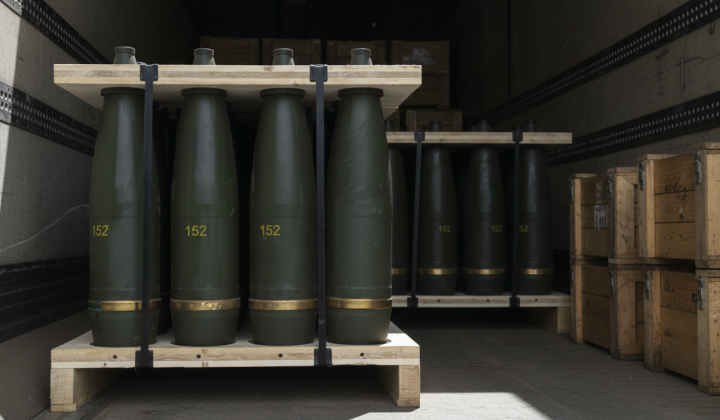
A Shift in International Military Aid for Ukraine
According to ХВИЛЯ: Economist Danylo Monin, speaking on political analyst Yuriy Romanenko's broadcast, has revealed a significant shift in the structure of international military aid to Ukraine. Monin stated that instead of the non-repayable grants provided in previous years, Ukraine may now receive long-term loans, a change he warns will substantially increase the nation's sovereign debt.
Discussions surrounding Europe's new multi-billion dollar aid package indicate that the lion's share of these funds will be directed toward defense. This shift in funding mechanisms comes as Western allies face domestic budgetary pressures, altering the terms of support. Monin pointed out that Ukraine previously received approximately $20 billion annually in free budgetary support for its military, whereas the new proposal involves loans that could add up to $60 billion to the national debt.
'In previous years, we were given nearly $20 billion for the military sector for free, directly into the budget. Now, they are essentially offering us a loan for the military sector, which would force us to increase our state debt by another $60 billion.' Danylo Monin
Monin also expressed deep concern about the potential consequences of this policy change. 'I simply understand for myself that this is a default scenario,' he emphasized. The economist believes this situation could lead Ukraine toward financial catastrophe: 'Forgive me, but this is simply a march toward a financial catastrophe from which, well, Ukraine simply cannot emerge from debt with such a policy.'
Consequences of the Aid Format Change
Consequently, this alteration in the format of international military assistance could have severe repercussions for Ukraine's economic situation and its future financial stability.
The change in approaches to international military aid reflects the complex predicament Ukraine now faces. By moving from non-repayable grants to loan-based financing, the country may confront new challenges linked to rising sovereign debt. This could negatively impact economic stability, especially amid the uncertainty of the ongoing conflict and the monumental task of economic recovery. It is crucial for Ukrainian authorities to develop strategies to mitigate the risks associated with these new financial obligations.
As Ukraine grapples with the implications of this new aid structure, it is crucial to consider the broader context of international financial support. The recent IMF agreement, which entails substantial future repayments, highlights the growing complexity of Ukraine's financial landscape. Understanding these intertwined financial commitments can provide deeper insight into the potential challenges ahead for the nation.

Read also