Despite Attacks and Mines, Odesa Plans Over 30 Beaches for the 2026 Season

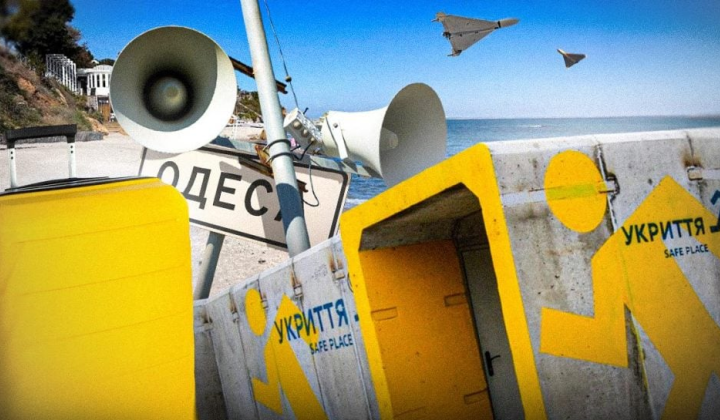
Summer 2026 in Odesa: Resilience Amidst Danger
According to УНІАН — Туризм: Odesa is pushing ahead with preparations for the summer 2026 season, even as it faces relentless Russian strikes, mine threats, and environmental hazards. The city government is opening more than 30 beaches, installing shelters, and conducting seabed inspections. Yet swimming remains risky due to mines, drone debris, and water contamination. Accommodation and leisure costs in Odesa have also gone up.
In 2023, only six beaches were officially open in Odesa; by 2025, that number had grown to over 30. For 2026, the count of municipal beaches could rise to six. Along the stretch from Lanzheron Beach to the 16th station of the Great Fountain, 19 additional mobile shelters are being set up to protect visitors.
Vacation Prices on the Rise
Rental rates for mid-range hotel rooms from June to August 2026 range from 2,500 to 4,500 UAH per night. Boutique hotels and premium complexes start at 4,500 to 9,000 UAH per night. At five-star hotels like Bristol, Nemo, and Mozart, peak-season rooms cost between 8,000 and 18,000 UAH. For instance, at the Nemo Hotel on Lanzheron, prices have doubled compared to winter; a standard room without a balcony goes for 16,100 UAH on weekends and 13,200 UAH on weekdays.
In budget-friendly neighborhoods like Luzanivka and Tairove, apartments are available for 600–1,000 UAH per night, while private-sector rooms cost 400–900 UAH. Resort bases charge 800–2,500 UAH, and hostels ask 150–300 UAH per person per night. A sun lounger rents for 250–300 UAH, and a bungalow (tent) costs 1,500–1,700 UAH. Parking along the Odesa coast will be 60 UAH per hour starting June 1, with a monthly pass priced at 10,000 UAH.
Safety on the beaches remains the top priority. As Oleh Kiper stated,
“We are not just opening access to the water; we will also provide conditions for the physical and psychological recovery of Ukrainians, especially military personnel and their families.”
Meanwhile, Natalia Kotenko stressed the importance of heeding air raid sirens, emphasizing that
“you cannot take this lightly, especially when you are in an open area.”
The environmental situation is also a concern. Experts are surveying over 60,000 square meters of seabed on municipal beaches and about 450,000 square meters on leased sites. In May of this year, remnants of Russian drones, shell casings, rebar, and glass were found on the seabed. Three major vegetable oil spills occurred from damaged tanks at the ports of Chornomorsk and Pivdenny. Vladyslav Balinsky noted that
“beach readiness for the season should be determined by weekly rigorous monitoring of bacterial and chemical indicators.”
In short, despite numerous challenges, Odesa remains a key Black Sea resort for Ukrainians. Local authorities are working to ensure safe conditions for visitors by installing shelters and conducting regular environmental monitoring. Rising housing and service prices reflect increased demand for vacations in a region with limited alternatives elsewhere. Safety concerns remain paramount, underscoring the authorities’ vigilance against potential threats during the summer season.
As Odesa prepares for a busy summer season, the city has also launched an inclusive initiative at the Bezmezh beach, aiming to provide accessible leisure options for all visitors. This effort reflects the city's commitment to resilience and inclusivity, ensuring that despite ongoing challenges, everyone can enjoy the beauty of Odesa's coastline.

Read also