In Occupied Yalta, Student Stipend Supplements Replaced with Mandatory Meal Program

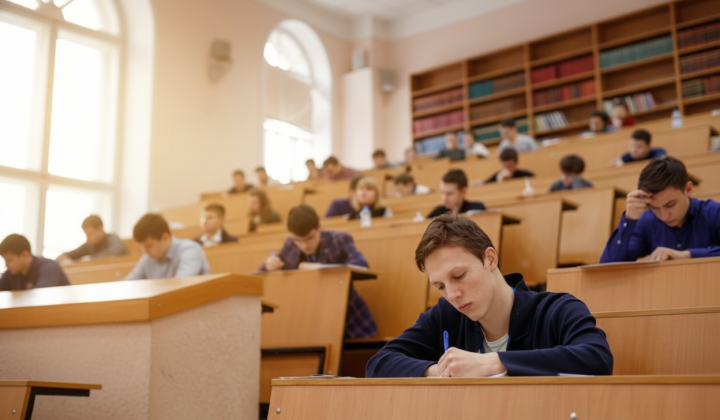
Financial Aid Replaced with Meals for Yalta College Students
According to Главком: Starting January 2026, students from preferential categories at colleges and technical schools in occupied Yalta will no longer receive monetary supplements to their stipends. The occupying administration has replaced these cash payments with a program offering free meals. However, students must sign for these meals even if they do not consume them, effectively recording their participation. Funding previously allocated for the stipend supplements has been redirected to contracts with food service providers.
Educational Interference and Restrictions in Crimea
In Kyiv, Ukrainian authorities detained a woman who had led a school in temporarily occupied Yalta and implemented Russian Federation educational standards there. The woman reportedly entered Ukraine via a third country. This case highlights the ongoing educational interference in occupied Crimea, part of a broader campaign to alter the region's institutions.
Furthermore, in occupied Crimea, restrictions have been imposed on mobile internet, including intentional slowing of service. The head of the occupation administration, Sergey Aksyonov, stated these security measures were enacted for the duration of military operations. This reflects a tightening of control in the region and the impact of the occupation authorities on both education and access to information.
The shift from stipend supplements to in-kind food aid in Yalta signifies a change in how education is funded under occupation, potentially affecting the social standing and educational access of students. The detention of the school official underscores Ukrainian efforts to counter the occupiers' educational influence. These developments occur against the backdrop of Russia's decade-long occupation of the peninsula, which began with its illegal annexation in 2014.
- Monetary stipend supplements for preferential students cancelled.
- A mandatory free meal program introduced as a replacement.
- Detention of an educational figure who imposed Russian standards.
- Mobile internet restrictions and throttling implemented.
The restrictions on mobile internet likely indicate attempts to control the information space, which aligns with the broader strategy of the occupation administration in Crimea.

Read also