Occupation Authorities Seize 12,000 Apartments in Luhansk, Declaring Them 'Ownerless'

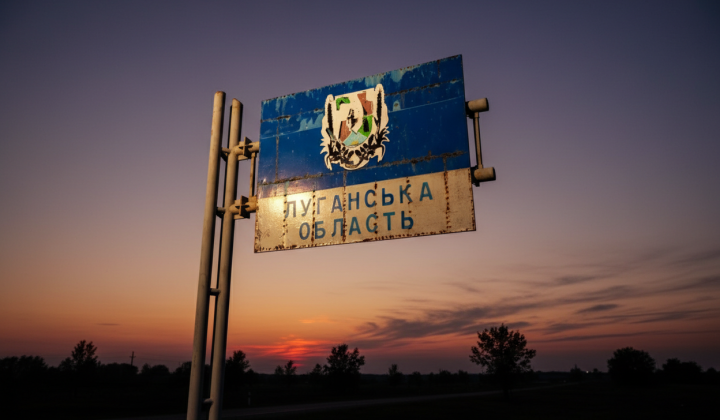
Campaign to Confiscate Property in Luhansk Oblast
According to Главком: In the temporarily occupied territory of Luhansk Oblast, a campaign to seize property, which the occupation administration classifies as 'ownerless,' is ongoing. Approximately 12,000 apartments have now been listed for so-called nationalization. Initially, 17,000 properties were targeted, but after threats of confiscation, around 5,000 owners came forward in an attempt to resolve the situation. This process is part of a broader pattern of asset seizure in occupied Ukrainian territories.
The occupation administration demands that property owners appear in person with original documents to re-register their homes. This requirement has resulted in enormous queues at administrative service centers, severely complicating life for residents.
Leonid Pasechnik, a representative of the occupation authorities, stated that 'the issue of apartments is one of the top priorities for the illegitimate government.'
Residents Face Severe Social Problems
Beyond the property seizures, residents of temporarily occupied Luhansk Oblast are confronting a critical shortage of water and heating. In many settlements, water taps have remained dry for weeks, forcing people in multi-story buildings to use water drained from the heating system for their daily needs. This situation further deteriorates living conditions in a region already suffering from the consequences of occupation.
The confiscation of real estate and the worsening of living standards in Luhansk Oblast reflect the general policy of occupation administrations aimed at controlling resources and tightening power over the local population. The widespread lack of water and heat also highlights the absence of proper management and support from the occupiers, creating additional hardships for residents in their daily lives. These actions are widely condemned by the international community as violations of international law.

Read also