The 1904 St. Louis Olympic Marathon: A Grueling Test of Endurance and Controversy

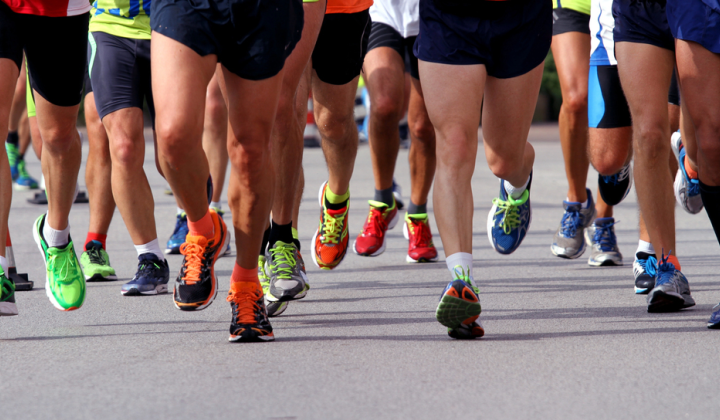
The 1904 Olympic Marathon in St. Louis
According to Radiotrek — Світ: The marathon held during the 1904 Olympic Games in St. Louis is remembered for its harsh conditions and extraordinary incidents, making it one of the most infamous races in Olympic history. With temperatures soaring to 32 degrees Celsius (90 degrees Fahrenheit), runners faced extreme heat that severely challenged their endurance. The course was far from ideal, sharing roads with cars, streetcars, and other traffic, while almost no water was available along the route. Dust kicked up by passing vehicles further complicated the race.
Among the competitors, American Fred Lorz gained notoriety after riding about 11 miles in a car before resuming the run, nearly crossing the finish line first, only to be disqualified for cheating. Meanwhile, Cuban athlete Félix Carvajal took a very relaxed approach, stopping to eat fruit from orchards and resting beside the road, yet still managed to finish in fourth place. Another runner was forced off course by a pack of dogs, illustrating the chaotic nature of the event.
The Winner’s Ordeal
Thomas Hicks, the eventual winner, endured extraordinary physical strain and was administered a controversial mixture containing strychnine, raw egg whites, and brandy to combat exhaustion. His condition was so severe that medical assistance was necessary immediately after he crossed the finish line. This marathon has gone down in history not only for its challenging environment but also as a stark example of how athletic competitions can quickly become survival trials.
This event marked a pivotal moment in the Olympic movement, highlighting the vast differences in race conditions and emphasizing the need for improved safety and organization in sports events. The controversies and hardships of the 1904 marathon prompted reforms in rules and standards for future Olympic competitions. The lessons learned continue to resonate today, underscoring the critical importance of athlete preparation and safety in sporting events around the world.

Read also