Organizational Structure – What It Is and How the Company Is Built


The successful operation of any company is impossible without a clearly structured internal management system. It is the organizational structure that determines how the divisions interact with each other, who is responsible for what, how decisions are made, and how task execution is monitored.
The extent to which the company's structure is well thought out affects the speed of business processes, the level of employee responsibility, the effectiveness of communication, and the organization’s ability to adapt to changes. For modern enterprises, the organizational structure is not a formality but a real management tool that impacts financial results and the stability of development.
What Is an Organizational Structure?
It is worth starting with the fact that an organizational structure is a system of interrelated management elements that reflects the distribution of functions, authorities, and responsibilities among employees and company divisions. It defines who is subordinate to whom, how the vertical and horizontal management is structured, and how the coordination of work between different levels of the organization takes place. Thanks to a clearly formulated structure, management can efficiently plan activities, make management decisions, and monitor their execution.
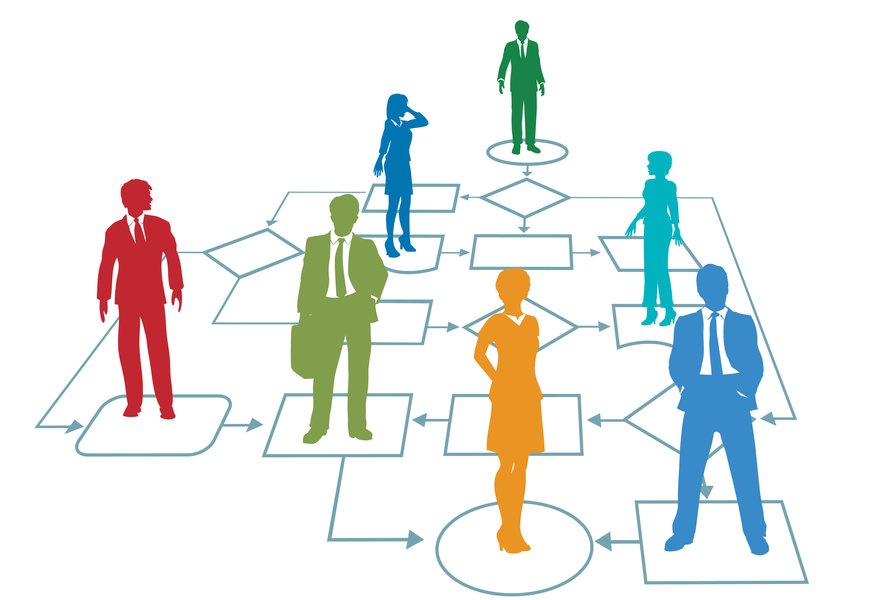
The organizational structure helps to organize the company's activities, avoid duplication of functions, and ensure transparency of management processes. It creates a clear system of interaction between employees, defines communication channels, and allows for faster information transfer within the organization. In the absence of a clear structure, the risk of chaos in management, conflicts between divisions, and a decrease in overall work efficiency increases.
It is important to note that the organizational structure is not static. It is formed taking into account the scale of the business, the area of activity, development strategy, and corporate culture, and it can also change over time. In the process of company growth or entering new markets, the structure is often reviewed to meet new challenges and tasks. Thus, the organizational structure serves as a tool for adapting the business to changes in the external and internal environment.
What Is an Organizational Structure of an Enterprise?
The organizational structure of an enterprise is a practical reflection of the management system of a specific company, which takes into account its internal and external features. It shows how the company is structured: which divisions operate within it, what tasks they perform, and how they interact with each other in daily operations. This structure determines the order of decision-making, the level of responsibility of managers at various levels, and methods of coordination between departments.
For an enterprise, the organizational structure is the foundation of daily activities, as it is through it that management decisions, strategic plans, and monitoring of work results are realized. It helps in resource allocation, optimization of working processes, and ensures the consistency of actions of all divisions. A clear structure reduces the likelihood of managerial errors and contributes to the stability of internal processes.
A well-thought-out organizational structure allows the enterprise to effectively utilize human, financial, and material resources, respond quickly to market changes, and maintain competitiveness. In addition, it positively affects employee motivation, as employees better understand their duties, areas of responsibility, and career growth prospects. As a result, the organizational structure of an enterprise becomes an important factor for its long-term development and successful operation.
Main Types of Organizational Structures
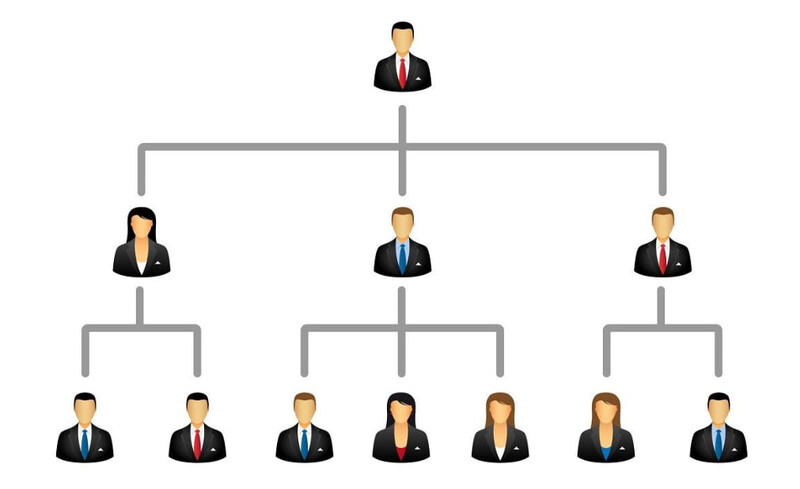
There are several main types of organizational structures used depending on the size of the company and the specifics of its activities. A linear structure implies a clear hierarchy and direct subordination, which is suitable for small organizations with stable processes. A functional structure is based on a division by types of activity, where each division is responsible for its function, such as finance, marketing, or production. A divisional structure is used in large companies and involves division by products, regions, or business directions. Matrix structures are also common, which combine elements of several approaches and allow for flexible project management. Each type has its advantages and limitations, so the choice of structure depends on the goals of the enterprise.
Components and Elements of the Organizational Structure
The organizational structure consists of a number of key components and elements that ensure its stable and efficient functioning. These include management levels, structural units, individual positions, functional responsibilities of employees, as well as formal and informal communication channels. The combination of these components determines how the management system is built within the company and how the coordination of work between different links takes place.
A clear distribution of powers between leaders and performers, as well as a clear system of subordination, play an important role in shaping the organizational structure. This avoids confusion in responsibilities, reduces the number of management conflicts, and ensures prompt decision-making. Each employee within the structure should clearly understand their role, scope of tasks, and limits of responsibility.
An important element of the organizational structure is regulations, job descriptions, and internal rules that define the order of interaction between structural units. They establish work standards, communication rules, and mechanisms for controlling the execution of tasks. Collectively, all these components form a holistic management model that allows the company to operate cohesively, predictably, and effectively even in conditions of change in the external environment.
How Does the Organizational Structure Influence the Company’s Efficiency?

The organizational structure directly influences the performance of the company. A clear and understandable structure contributes to quick decision-making, reduces the number of conflicts, and increases employee accountability for task execution. It helps establish effective communication between divisions, avoid overloading individual employees, and ensure an even distribution of resources. Conversely, a flawed or outdated structure can hinder business development, create chaos in processes, and negatively impact employee motivation. Therefore, regular analysis and adaptation of the organizational structure are essential conditions for stable and successful company operations.
Typical Mistakes When Building an Organizational Structure
One of the most common mistakes when building an organizational structure is an unclear distribution of responsibilities and accountability among employees. In such a situation, employees do not always understand the limits of their authority, which leads to duplication of functions or, conversely, cases where important tasks remain without a responsible executor. This negatively impacts decision-making speed and the overall effectiveness of company operations.

Another typical problem is excessive complexity of the structure, especially in rapidly growing companies. Creating a large number of management levels complicates communication, slows down decision-making approvals, and may lead to a loss of operational efficiency. As a result, management spends more time on control than on strategic planning.
A common mistake is also ignoring real business processes when forming structures. Sometimes the organizational model is created formally, without considering the specifics of the enterprise's activities or the needs of specific divisions. This leads to a gap between actual work and the management scheme, reducing its practical value.
Special attention should be paid to situations when the structure is not reviewed over time. The company changes, new directions emerge, the staff expands, but the organizational structure remains unchanged. In such cases, it ceases to meet the real business needs and becomes a restraining factor for development.
Methods for Optimizing and Changing the Organizational Structure
Optimizing the organizational structure begins with an analysis of current processes and functions. It is essential to identify which divisions or positions duplicate each other and which, on the contrary, are overloaded with responsibilities. Based on this analysis, functions can be redistributed, the hierarchy simplified, and management transparency increased.
An effective method for changing structure is the introduction of flexible management models. This could involve transitioning to a project or matrix approach, which allows for quicker responses to market changes and more efficient use of resources. This format is particularly relevant for companies operating in dynamic environments or simultaneously implementing several lines of business.

Engaging personnel plays an important role in the optimization process. Discussing changes with division heads and key employees allows for practical experience to be considered and avoids errors that may arise from a formal approach. This also increases the level of acceptance for changes and reduces resistance from the team.
Regularly reviewing the organizational structure is another effective tool for optimization. Even a well-built model needs adjustment considering the company's growth, changes in strategy, or external conditions. A systematic approach to updating the structure allows maintenance of a balance between management stability and the necessary flexibility, ensuring effective company operations in the long term.

Read also