Traffic Plummets 90% as Iran's Threats Close the Strait of Hormuz

Crisis at the Strait of Hormuz
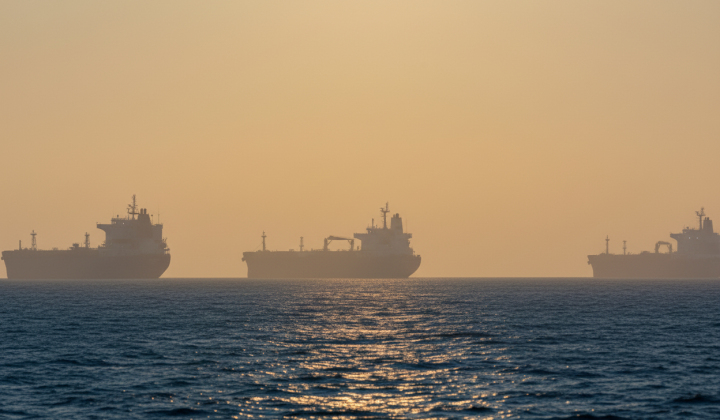
According to Главком: Maritime traffic through the Strait of Hormuz has collapsed following the start of a U.S. and Israeli military operation against Iran. Approximately one thousand commercial vessels, including around five hundred oil and liquefied natural gas tankers, are now clustered near this vital sea lane linking the Persian Gulf to the Indian Ocean. Since Sunday, only about 40 ships have managed to transit the strait, indicating a dramatic drop in activity. This chokepoint is one of the world's most critical for global energy security.
Ship traffic density through the waterway has fallen by roughly 90% since hostilities began. U.S. President Donald Trump stated that American naval forces are prepared to escort tankers through this crucial route if necessary. Simultaneously, a senior commander of Iran's Islamic Revolutionary Guard Corps declared the Strait of Hormuz closed, threatening to open fire on any vessel attempting passage.
Global Market Repercussions
According to Neil Roberts, most of the vessels currently at anchor are there due to the understandable fears of shipowners and operators for the safety of their crews and assets. The situation is causing deep concern internationally, as the Strait of Hormuz is a linchpin for global energy supplies. Any prolonged disruption risks triggering significant volatility in oil and gas markets worldwide.
The sharp decline in shipping activity could have severe consequences for global energy markets, given the route's central role in transporting oil and gas. Continued military action and security threats may lead to further supply reductions, potentially driving up energy prices globally. In this tense climate, it is imperative for the international community to monitor developments closely and seek pathways to de-escalate regional tensions.

Read also