Fuel Crisis in Russia Spreads to Krasnodar and Rostov Regions

Fuel Shortage in Russia
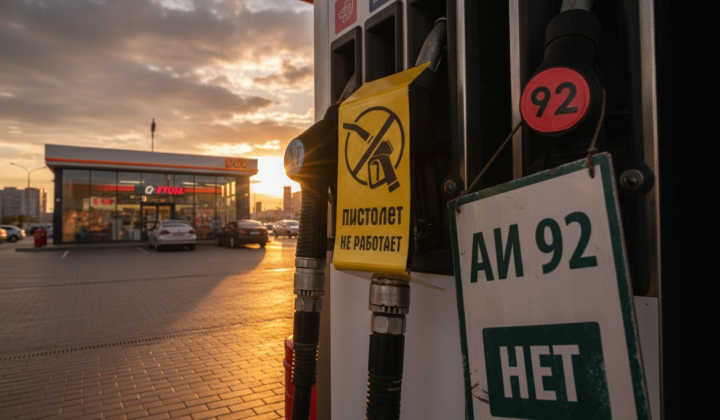
According to Главком: The fuel shortage that first hit the temporarily occupied Crimea has now expanded into the Krasnodar Krai and Rostov Oblast of the Russian Federation. This crisis stems from Ukrainian defense forces striking Russian oil refining and logistics infrastructure, along with a drop in processing capacity and the destruction of oil depots in Mariupol on June 5. As a result, gas stations have run out of A-92 and A-95 gasoline as well as diesel fuel, leading to kilometer-long queues, strict limits on fuel sales, and a surge in retail prices.
Across gas stations in Kuban and the Rostov region, there is currently a complete absence of A-92 and A-95 gasoline, alongside diesel fuel. In response, the few stations still operating have seen lines stretching for kilometers. Authorities have imposed tight restrictions on fuel purchases per person, selling only to emergency services via special vouchers. The shortage has triggered a sharp increase in retail prices, according to Russian analysts, who warn that the situation will likely worsen in the coming weeks.
Root Causes of the Fuel Collapse
The fuel collapse is driven by systematic Ukrainian strikes on Russia’s oil refining and logistics network. Production volumes have significantly declined due to repeated Ukrainian drone attacks on major refineries in the south and European parts of the country. The latest major blow to Russian oil logistics occurred on June 5, when eight large fuel tanks were destroyed and nine others damaged in the port of temporarily occupied Mariupol-tanks that supplied the southern Russian military grouping.
Russian authorities are now forced to prioritize leftover fuel for military vehicles on the front lines, leaving civilian gas stations empty. In Simferopol, Yalta, and other Crimean towns, online platforms are offering targeted fuel delivery, highlighting the severity of the situation. On the black market in Crimea, a liter of AI-95 gasoline costs up to 160 rubles. While Russian officials claim the situation is under control, the panic buying among residents-driven by shortages in neighboring regions-has intensified demand.
This fuel shortage in Russia reveals deep cracks in the logistics and refining infrastructure, with potential long-term economic consequences. Rising fuel prices and sales restrictions could fuel social unrest among the population, a trend already visible in market behavior. Monitoring these developments will be crucial, as the crisis may impact not only domestic markets but also military operations in the region.
The ongoing fuel crisis underscores a broader issue affecting Russian regions, particularly as Crimea has been severed from fuel supplies due to a significant decline in oil production. This situation highlights the vulnerabilities in Russia's energy infrastructure, exacerbated by targeted strikes and logistical failures, which could have lasting effects on both military and civilian sectors across the region.

Read also