Pension Denied Over Blurred Stamp Despite Supreme Court Ruling Protecting Citizens’ Rights


Challenges in Securing Pension Benefits
According to ХВИЛЯ: Tamara Heorhiivna, a German language teacher from Zaporizhzhia, faced unexpected difficulties while applying for her pension. After working for ten years and two months at Pryshyb Secondary School, she turned 63 in May 2026. However, when submitting her documents, the Pension Fund refused to count her work experience due to a blurred stamp in her employment record. As a result, she will only be eligible to retire at 65.
The Pension Fund of Ukraine (PFU) cited a lack of clear company name and an unclear seal as reasons for rejection. Her employment record states she resigned voluntarily from her position as a German teacher. Ukrainian pension rules require between 23 and 33 years of service for retirement at 63; otherwise, eligibility is postponed until age 65.
The Supreme Court’s Position
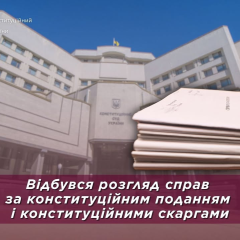
In 2019, Ukraine’s Supreme Court ruled that minor formal errors in documents cannot be used to deny individuals their constitutional right to social protection. As legal expert Iryna Polyakova explained,
“Minor inaccuracies in documents should not restrict a person’s constitutional right to social protection.”
She further clarified:
“To put it simply, a small error-like a blurred stamp, a date mistake, or a missing letter-should never be grounds to refuse a pension. This has been Supreme Court precedent since 2019, yet the Pension Fund continues to deny claims.”
To support her claim, Tamara Heorhiivna obtained a certificate from the district education office verifying her work experience. Journalists recommend that those facing similar issues should:
- carefully review any refusal letters from the Pension Fund;
- seek confirmation of employment history from company or sector archives;
- leverage Supreme Court rulings when appealing pension denials.
The publication 'At Retirement' has committed to following Tamara’s case, highlighting its significance for many Ukrainians encountering comparable obstacles.
Experts note that such incidents expose systemic flaws in pension processing that urgently need addressing to prevent unjust denials.
This case underscores the critical importance of properly documented records for pension eligibility and illustrates the broader challenges citizens face when dealing with government agencies. Considering the Supreme Court’s stance, it is essential for the Pension Fund of Ukraine to align its practices with legal standards to uphold citizens’ rights to social security.

Read also