Pentagon and SpaceX Clash Over Starlink Pricing for Kamikaze Drones

Dispute Between the Pentagon and SpaceX
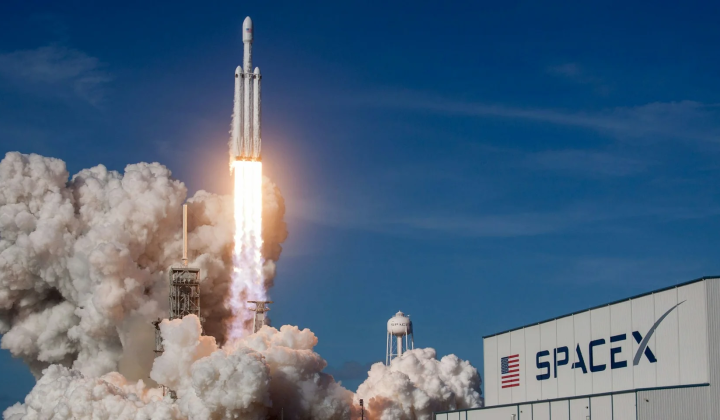
According to НВ — Техно: A disagreement has emerged between the Pentagon and Elon Musk’s SpaceX over increased fees for Starlink services during the U.S. military campaign against Iran. Specifically, the Pentagon pays roughly $5,000 per month per Starlink terminal, despite using the service at a level comparable to a more expensive aviation tier that costs $25,000 monthly. This pricing conflict stems from Starlink’s use in LUCAS kamikaze drones.
Officials from the U.S. Department of Defense have pointed out that the pricier aviation service is designed for aircraft, not for disposable drones that operate for just minutes to hours before striking. Nonetheless, according to Reuters, the Pentagon has agreed to SpaceX’s new terms. This development comes ahead of SpaceX’s planned initial public offering in June, which could be the largest in history.
Competition and Technological Dependence
Spacex remains virtually without rivals in this sector, operating roughly 10,000 satellites-more than 60% of all active satellites in orbit. Its closest competitors, Amazon Leo and Eutelsat OneWeb, are not yet able to operate at such a scale. The military-grade version of Starlink, known as Starshield, is being increasingly adopted by armed forces worldwide.
Experts have linked Ukraine’s strengthened position in the war with Russia to SpaceX limiting Russian forces’ access to the service. A U.S. Defense Department representative stated that the agency is exploring alternatives to Starlink, but for now, the company remains the industry leader.
This dispute between the Pentagon and SpaceX highlights the military’s growing reliance on private tech companies in modern conflicts. The Starlink price hike could affect military funding and operational planning, particularly under budget constraints. With SpaceX’s upcoming IPO, the disagreement may also have financial implications for the company as it seeks to solidify its market position.
The ongoing developments in the military's reliance on private tech companies are not limited to the pricing dispute with SpaceX. Recently, Starship successfully launched 20 satellites into orbit, showcasing SpaceX's expanding capabilities and the strategic importance of satellite technology in modern warfare. This further emphasizes the Pentagon's challenge of balancing costs while ensuring operational efficiency in critical missions.

Read also