How to Prepare Your Boiler and Radiators for Winter as the First Frost Hits

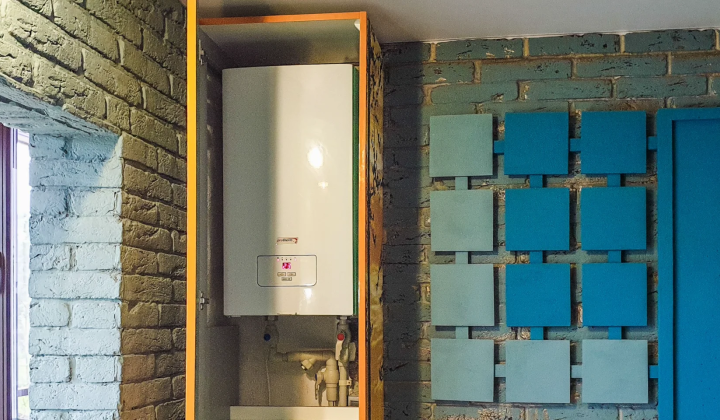
Essential Heating System Maintenance Before Winter
According to НВ — Техно: With winter approaching, it’s crucial to inspect and service your heating system, as the initial frost often reveals hidden faults in boilers and radiators. Boilers that have only been heating water for taps during the warmer months need to be switched over to a winter setting. Since professional service appointments fill up quickly in November, it’s wise not to delay maintenance.
Start by performing a test run on a mild day. Switch your boiler from summer mode to winter mode and check the pressure of the heating fluid, which should range between 1.2 and 1.5 bar when the system is cold. If the pressure drops below 1 bar, the safety relay will shut off the burner. Repeated pressure drops may indicate leaks or damage to the expansion tank membrane. To restore pressure, open the feed valve located on the lower panel near the pipes and monitor the pressure gauge, closing the valve once the reading reaches 1.2–1.5 bar.
Bleeding Radiators and Checking Thermostats
Another key step is removing trapped air from radiators using a bleed valve. Before releasing the air, turn off the boiler and allow the system to cool. Then, open the valve counterclockwise about half a turn until air escapes, and close it afterward. Dirt buildup in radiators can block water flow, so the coarse filter on the return pipe before the boiler should also be flushed before freezing temperatures arrive.
Wireless room thermostats powered by AA batteries may lose charge over the summer months. They should be serviced by resetting the clock and adjusting the movable rods on the radiators. Modern condensing boilers produce acidic condensate that drains outside through plastic tubing. If this drainage pipe freezes or becomes blocked, the system may shut down. Additionally, outdoor coaxial pipes can become obstructed by icicles, restricting airflow.
Gas safety demands special attention. Malfunctioning gas appliances can emit odorless, deadly carbon monoxide. A carbon monoxide detector must be installed near the boiler. If it sounds an alarm, immediately:
- Open all windows
- Evacuate everyone outdoors
- Call the gas emergency service at 104
If you smell gas, do not operate any electrical switches, outlets, or open flames. In case of a gas leak, shut off the yellow valve on the gas pipe, leave the building, and call emergency services from outside. Do not attempt to remove the boiler’s sealed cover, clean the burner, or repair the control board unless you are licensed to do so.
Following these guidelines and conducting timely maintenance can prevent unexpected breakdowns and ensure a warm, safe home throughout the cold months. Proper preparation is not only about comfort but also about protecting your household from potentially hazardous situations involving heating and gas equipment.
As the cold season sets in, regular attention to your heating system is vital to avoid disruptions and safety risks. Routine servicing ensures your equipment runs efficiently while safeguarding residents. Understanding the dangers linked to gas systems and adhering strictly to safety measures helps prevent emergencies during winter.
As you prepare your heating system for the cold months ahead, it's also important to understand potential issues that could arise, especially if you rely on alternative power sources. For instance, the reasons why car inverters may fail to operate gas boilers can significantly impact your heating efficiency. Being informed about these factors can help you avoid inconvenient heating failures during winter.

Read also