Over 100,000 Artifacts Unearthed During Polish S17 Highway Construction, Spanning Mammoths to Roman Relics

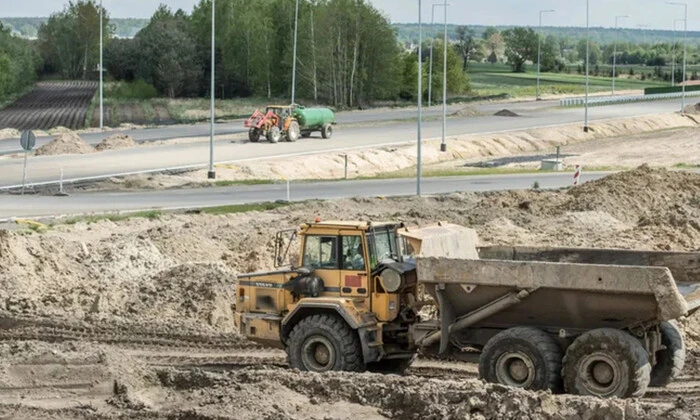
Archaeological Discoveries Along the S17 Highway Route
According to Главком: Archaeologists working ahead of the S17 expressway construction in eastern Poland have uncovered a remarkable trove of over 100,000 artifacts from diverse historical eras. Excavations, which commenced in November 2024 in the Zamość region, will continue throughout the road's construction phase. This major infrastructure project links Warsaw with Lublin and extends toward the Ukrainian border crossing at Hrebenne, traversing a historically rich landscape.
The Range of Discoveries
The finds originate from ancient settlement traces identified in Łabunie, Barkhachuv, Tarnawatka, Belzhets, Knyazhe, and Lubycza Królewska. Among the most significant discoveries are early Slavic burial grounds from the late 7th to early 8th centuries, containing cremation graves. Artifacts from the Roman period (2nd to 4th centuries AD) and pottery from the Trzciniec culture of the Bronze Age (1700-1500 BC) were also recorded. Additionally, Neolithic burials dating from 2500-2000 BC have been excavated.
Items recovered from the burial sites include:
- Amphorae
- Stone axes
- Spearheads
- Quern stones (for grinding grain)
A particularly notable find is mammoth bones discovered in Łabunie, dating from between 100,000 and 12,000 BC. Archaeologists plan to investigate 22 further sites to gather more information about the region's history. Upon completion of the studies, all artifacts will be transferred to museums.
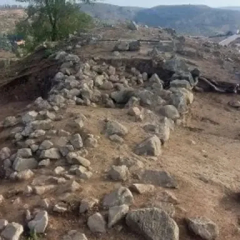
Wiesław Koman, Archaeologist: 'A vast area is being revealed, where the outlines of residential buildings are clearly traceable, along with their layout relative to farm buildings, wells, and the placement of cemeteries, including those from the Early Bronze Age. This creates significant opportunities for large-scale archaeological research.'
The unearthed artifacts cover a sweeping timeline, including:
- The Modern Era (18th–19th centuries)
- Medieval settlements (7th-15th centuries)
- The Roman Era (2nd-4th centuries AD)
- The Bronze Age Trzciniec Culture (1700-1500 BC)
- The Neolithic Period (2500-2000 BC)
These discoveries underscore the critical importance of archaeological work in this region and its contribution to understanding human history.
The recovery of such a vast quantity of artifacts during the S17 construction not only highlights Poland's deep cultural heritage but also opens new avenues for studying the region's past. The research findings are expected to substantially enhance knowledge of the ancient civilizations that inhabited this area, including their daily lives and cultural practices. Given plans for further excavations, the importance of this archaeological work may also influence future construction projects in the region, as the preservation of cultural heritage is a priority in modern society.
In a related discovery, a mammoth bone alongside a 17th-century Polish coin was recently found near Kyiv, highlighting the region's rich archaeological significance. Such findings not only shed light on ancient civilizations but also draw parallels to the extensive artifacts unearthed during the S17 highway construction in Poland. For more insights into these remarkable discoveries, explore the full story on mammoth remains and historical treasures found near Kyiv.

Read also