Coin of Constantine and Medieval Pottery Unearthed Beneath Notre-Dame

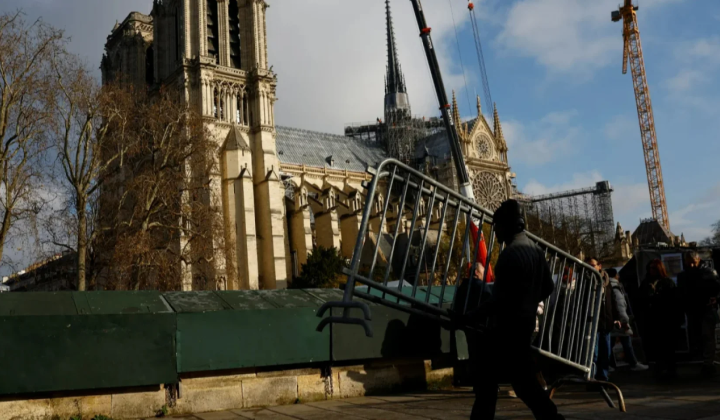
Excavations Below the Notre-Dame Cathedral
According to НВ — Техно: June 23, 09:29
Archaeologists conducting excavations beneath the Notre-Dame Cathedral, ongoing since the 2019 fire, have uncovered a series of intriguing artifacts. These include:
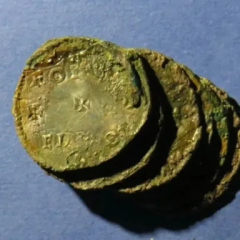
- A 4th-century coin bearing the image of Emperor Constantine;
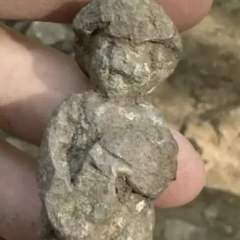
- Fragments of medieval pottery marked with undeciphered symbols;
- Complete jars and cups;
- Medieval grain storage pits in use from the 6th to the 10th century;
- A Roman-era threshold that was flipped and repurposed as paving material.
The findings were presented in mid-June, with archaeologists emphasizing their significance for understanding Parisian history. Archaeologist Valentin Brelu noted that
“intact ceramic vessels are rarely found”
, highlighting the importance of these discoveries. Student archaeologist Yasmin Benali added that
“here you can see the layers-medieval Paris, Roman Paris, possibly even earlier”
, pointing to the site's rich historical stratification.
Lucy Altenburg, a restorer with the Paris Archaeological Department, remarked that 'the current dig is a rare opportunity. We hope to travel further back in time than ever before.' This project is part of the broader reconstruction of the Notre-Dame square, which has been underway since the fire and is expected to conclude by 2028.
A key milestone in the research was also the identification of a sarcophagus found within the cathedral in 2022. The sarcophagus belonged to Antoine de La Porte, a canon of Notre-Dame Cathedral who died in 1710. De La Porte donated 10,000 livres to fund a new altar, originally conceived in 1638 under King Louis XIII's promise to complete it.
Outlook for the Excavations
Thus, the excavations beneath Notre-Dame Cathedral continue to yield new discoveries that deepen our understanding of this iconic site's history. The uncovered artifacts reveal the layered past of Paris and could serve as a foundation for further research, aiding not only the cathedral's restoration but also the broader historical context of its development. As work progresses, these finds promise to further enrich knowledge of the city's cultural heritage.

Read also