Wilkes Subglacial Basin in Antarctica Could Trigger a 3-4 Meter Rise in Sea Levels

The Critical Importance of Studying Antarctica’s Wilkes Subglacial Basin
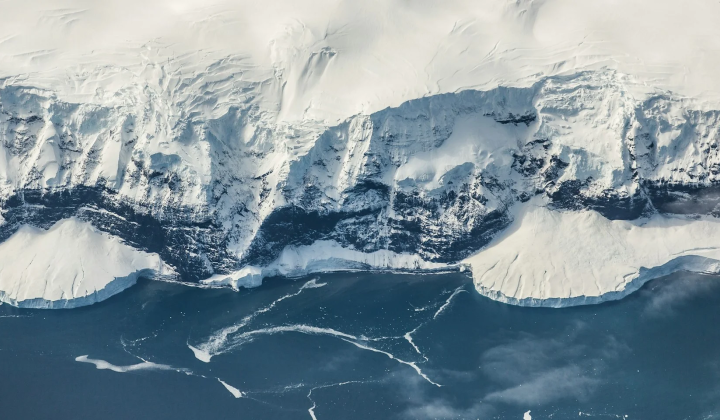
According to НВ — Техно: Antarctica holds vast reserves of ice hidden beneath its surface, with the Wilkes Subglacial Basin in East Antarctica containing enough ice to raise global sea levels by up to four meters. Scientists warn that this basin’s potential melting poses a significant threat to coastal regions worldwide. Despite its importance, data on this area remain scarce, prompting urgent calls for coordinated international research efforts to better understand the risks it presents.
The latest study, published on October 5 in Nature Reviews Earth & Environment, was led by Professor Matt King from the University of Tasmania and the Australian Antarctic Research Centre. The research team combined geological, oceanographic, and climate data with ice sheet modeling to assess the basin’s stability. Notably, no vessels have come closer than 150 kilometers to the Cook Glacier within the Wilkes Basin, limiting direct observations and complicating detailed study of this critical region.
Urgent Call for Global Collaboration
Currently, comprehensive mapping of the seafloor beneath the Wilkes Basin is lacking. Paleo-geological evidence indicates that this basin experienced significant ice loss during past warm periods, underscoring its vulnerability. The international research effort involved experts from 14 countries, who emphasize the need for immediate global cooperation to enhance oceanic and glacial monitoring. Understanding the processes at work in the Wilkes Basin is essential for preparing vulnerable coastal communities in Australia, the Pacific, and beyond for future environmental challenges.
As global temperatures continue to rise, insights into the dynamics of Antarctic ice systems like the Wilkes Basin are vital for anticipating sea-level rise impacts. These changes threaten infrastructure, populations, and ecosystems along coastlines worldwide, making international scientific collaboration and investment in research indispensable for global environmental security.
As the world grapples with the implications of rising sea levels, understanding the interconnectedness of oceanic and climatic systems becomes increasingly critical. Recent findings on how Pacific Ocean warming impacts water dynamics further illustrate the urgency of monitoring these environmental changes. Insights from both studies can help inform strategies to mitigate risks faced by coastal communities worldwide.

Read also