European Leaders Now View Trump Support as a Political Liability Ahead of Elections

How Backing Trump is Backfiring for Europe's Far-Right
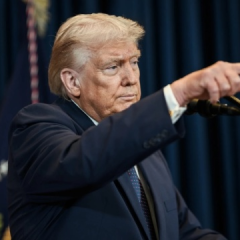
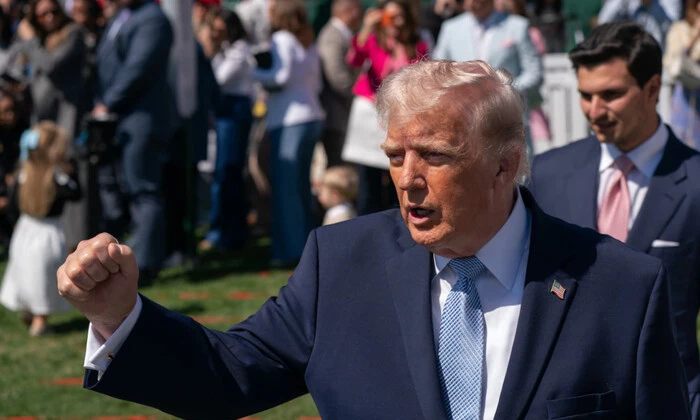
According to Главком: For nationalist leaders across Europe, openly supporting U.S. President Donald Trump has become a growing political risk as the 2027 elections approach. The damage stems from multiple fronts: his escalating tariff wars, threats toward Greenland, and a looming conflict with Iran. These policies have driven up energy prices across Europe, worsening the continent's economic outlook. Trump's approval rating has now plummeted to 34%, the lowest since his return to the White House. In just the past week, his popularity dropped several more points, continuing a downward trend that began at the start of the year.
Across Europe, Trump is increasingly seen as a toxic figure in political circles. Only a small fraction of supporters from parties such as:
- National Rally
- Brothers of Italy
- AfD
still consider him a 'friend of Europe'. Italian Prime Minister Giorgia Meloni has refused to allow U.S. aircraft to use Italian airbases in any war with Iran. French far-right leader Jordan Bardella has also distanced himself, calling Trump's 'behavior unpredictable'. Meanwhile, the leadership of Germany's AfD has advised its officials to limit travel to the United States, signaling a widening rift between them and the former president.
Shifting Alliances in Europe's Political Landscape
One notable exception is Poland's Law and Justice party and President Karol Nawrocki, who continue to maintain close ties with Trump. However, Hungarian Prime Minister Viktor Orbán's defeat in April-ending his 16-year rule-marks a significant shift in Europe's political terrain. U.S. Vice President J.D. Vance publicly supported Orbán, but that backing may not be enough to offset the damage caused by Trump's international policies.
The growing unease among Europe's nationalist parties reflects deeper anxiety over U.S. foreign policy as the 2027 elections draw nearer. Uncertainty surrounding ties with Trump could weaken their standing in local elections, forcing party leaders to walk a fine line between national priorities and international alliances. This may lead to a reevaluation of cooperation with the United States amid rising economic and political instability across Europe.
As Europe's political landscape evolves, the implications of Trump's recent remarks on Ukraine highlight the growing divide between U.S. foreign policy and European leaders' priorities. For a deeper understanding of how Trump's stance may further complicate international relations, explore our article on his comments regarding Ukraine and their potential impact on support from European nations.

Read also