German Defense Minister Attributes Trump's Greenland Tariff Threats to a Washington Misunderstanding

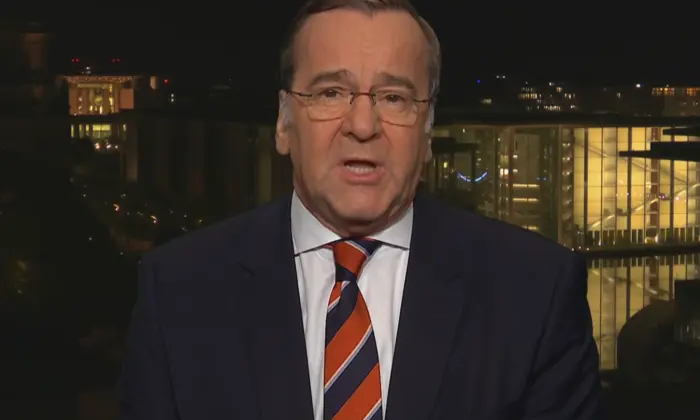
German Defense Minister's Comments
According to Главком: German Defense Minister Boris Pistorius has characterized former U.S. President Donald Trump's recent threats to impose tariffs on countries involved in a NATO mission in Greenland as the result of a misunderstanding in Washington. Trump had previously claimed to have laid the groundwork for a future deal on Greenland and threatened tariffs, specifically naming Germany, before later retracting those threats. Pistorius suggested this reversal indicates a fundamental miscommunication occurred. The episode highlights the ongoing sensitivity in transatlantic relations regarding Arctic security and sovereignty.
Pistorius emphasized that all NATO partners were fully aware of the mission, which included the deployment of Bundeswehr soldiers to Greenland, and that it was coordinated among the alliance's members. He stated:
“The point was to demonstrate that NATO bears responsibility for Greenland-and that is precisely what we did.” - Boris Pistorius
Denmark's Stance and International Context
Danish Prime Minister Mette Frederiksen also commented, asserting that Greenland's status as a sovereign entity is not open for negotiation with the United States. Her statement reinforces that the island's political status remains a settled matter internationally. Greenland is an autonomous territory within the Kingdom of Denmark, and its strategic location in the Arctic has drawn increased global interest.
This situation surrounding Greenland reflects the complex dynamics within NATO and underscores the importance of allied consensus on security matters. The positions taken by Denmark and Germany signal that allies are prepared to defend their national interests and sovereignty, even in the face of potential pressure from a major partner like the United States. It raises questions about the future of cooperation within the alliance and potential shifts in the geopolitical balance in the increasingly important Arctic region.

Read also