Permanent residence in the EU: how many years you need to live in different countries and what rules will apply in 2026

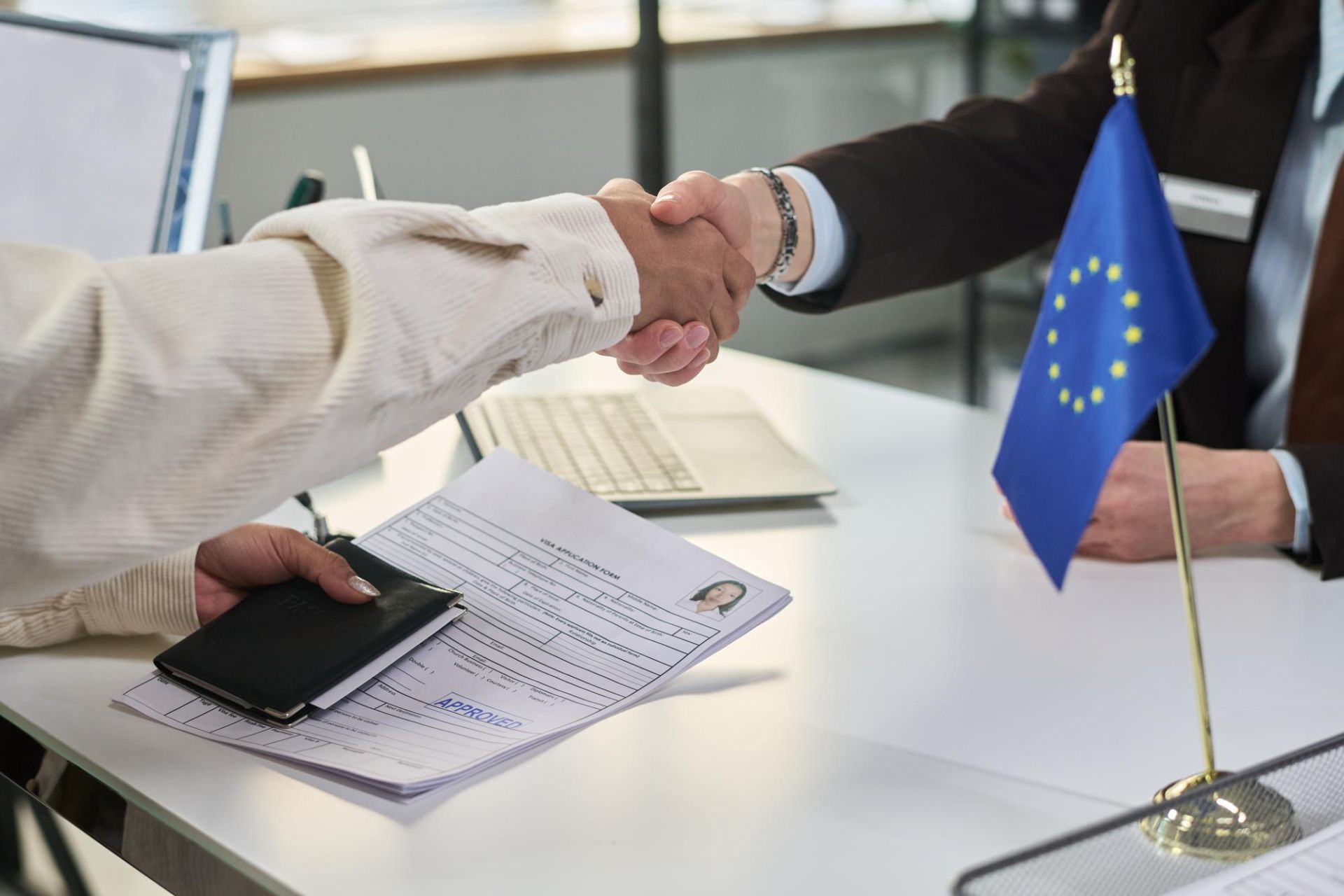
For permanent residence in most EU countries, a common guideline is often five years of legal stay. However, the timeframes depend on the country and the type of status, and the rules may change: for example, in Finland, from 2026, the standard requirement has been increased to six years, although shorter paths remain for certain categories. When planning a move to a country for permanent residence, it is worth checking the conditions specific to your status. MoveMap EU writes about the timeframes in EU countries.
How many years of residence are needed for permanent residency in the EU
According to MoveMap EU, about five years is a common benchmark for obtaining permanent residence in EU countries. This group includes 25 nations, including Poland, Germany, the Czech Republic, Spain, Italy, France, and Sweden.
However, Finland serves as an example of why such lists should be cross-checked with current regulations. Previously, permanent residence could usually be obtained after four years of continuous residence. From January 8, 2026, the standard route requires six years, two years of work in Finland, and knowledge of Finnish or Swedish. Four years may suffice under certain grounds - for example, if an annual income exceeds 40 thousand euros or if one has the appropriate education and work experience. This is confirmed by the Finnish immigration service.
In Denmark, the basic requirement is eight years of continuous legal residence. In certain cases, one can apply after four years if additional conditions are met. Thus, the number of years alone does not indicate how easy it is to obtain status.
How permanent residence differs from citizenship
Permanent residence does not grant citizenship or automatic rights to live and work in all EU states. The national permit is valid only in the country that issued it. Separate from this, there is the status of a long-term EU resident: it can facilitate moving to another country in the bloc, but one still needs to apply for a permit and meet local requirements.
For applicants, not only the years of residence matter, but also the continuity of stay, the basis for the permit, income, work, language skills, and integration conditions. It should also be verified whether the specific type of residence permit someone has will be counted. Ukrainians planning to stay in Poland after temporary protection should separately study the available paths to legalization.
Therefore, the table of timeframes is better understood as a starting guideline rather than a guarantee of obtaining status. Before moving or submitting documents, it is necessary to check the current regulations on the immigration service website of the specific country: requirements may differ even for individuals who have lived there for the same duration. Read about the conditions for transitioning from a permit to long-term residency in Spain in the material about immigration to Spain.

Read also