Poles are leaving Germany en masse, while Ukrainians continue to arrive: how migration has changed

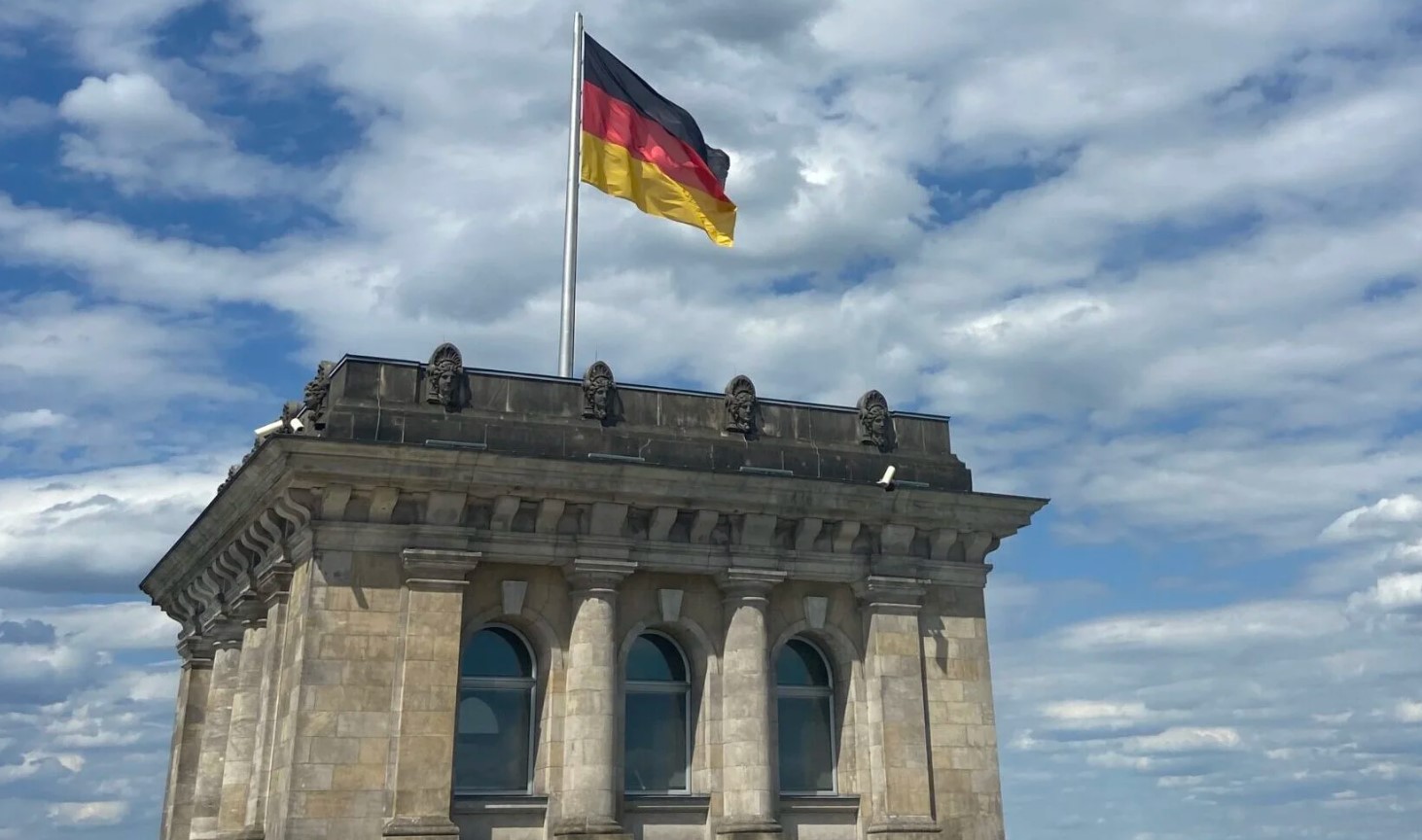
Germany is losing its appeal for residents of several Central and Eastern European countries. In 2025, more Poles, Bulgarians, Croats, and Romanians left the country than arrived. At the same time, the largest net migration gain in Germany came from Ukrainian citizens. This is reported by InPoland citing a study from the Polish Economic Institute.
In 2025, Germany's migration balance with nine Central and Eastern European countries was minus 37,000 people. Just in 2023, the situation was the opposite: the net influx exceeded 47,000 people.
Poles are leaving Germany: migration balance in 2025 dropped to minus 13.6 thousand
The largest outflow was recorded in relations with Poland. In 2025, 13.6 thousand more Poles left Germany than arrived. According to the study, this is the lowest figure among all 119 countries covered by the statistics.
The change happened very quickly. In 2023, the migration balance with Poland was plus 17,000 people, and two years later - already minus 13.6 thousand.
Negative indicators were also recorded for Bulgaria - minus 13,000 people, Croatia - minus 9.3 thousand, Romania - minus 2.4 thousand.
One of the reasons experts cite is the rise in wages in Poland amid a deteriorating economic situation in Germany. As a result, work in the neighboring country no longer seems as advantageous for Poles as it did before.
If you are interested in working in Germany, we suggest exploring 140,000 vacancies on the Layboard portal.
Ukrainians are coming to Germany: in 2025, the net influx was 95 thousand people
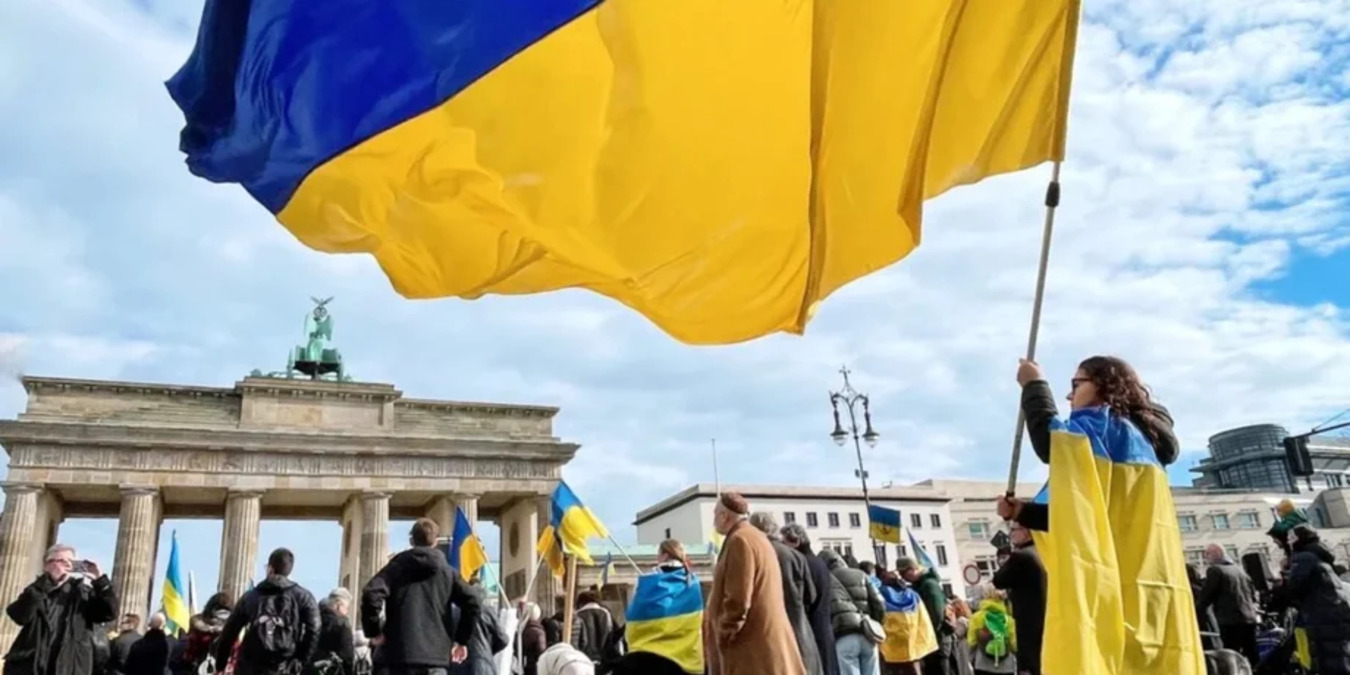
Against the backdrop of the outflow of EU citizens, Germany remains an attractive destination for Ukrainians. Ukraine provided the largest positive migration balance in 2025 - plus 95,000 people.
India took second place with a figure of plus 38,000 migrants. Next are Syria - plus 26,000, Turkey - plus 24,000, and Afghanistan - plus 19,000 people.
Thus, the structure of migration to Germany is changing: citizens from part of the Central and Eastern European countries are increasingly leaving, while the influx of Ukrainians remains significant.

Read also