Ukrainian Police Launch Probe into Death of Former Ukrenergo Head at Energy Site

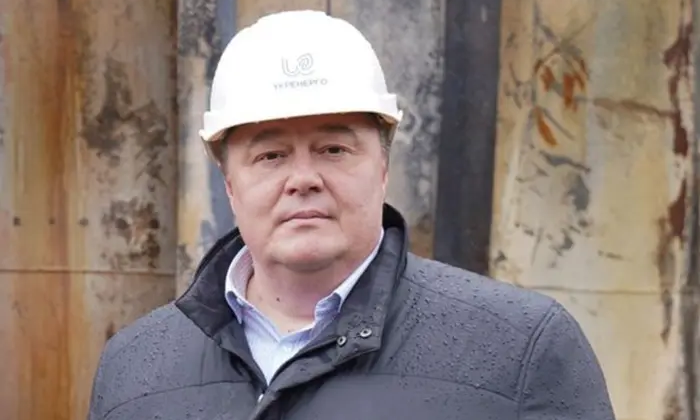
Criminal Case Opened Following Death of Oleksiy Brekht
According to Главком: Ukrainian National Police have initiated a criminal investigation under Article 272 of the Criminal Code following the death of Oleksiy Brekht, the former head of the National Energy Company 'Ukrenergo'. Brekht died on January 21 while engaged in repair work at an energy facility damaged during a massive attack by the Russian Federation. The pre-trial investigation commenced on the day of his death. This incident highlights the extreme dangers faced by Ukraine's critical infrastructure workers during the ongoing war.
Oleksiy Brekht was 47 years old and had worked at Ukrenergo for over 24 years. In recent years, his responsibilities included the operation, restoration, protection, and development of the power transmission system network. Brekht served as acting Chairman of the Board of Ukrenergo from 2024 to 2025. In the days preceding the tragedy, he was personally overseeing restoration efforts at one of the recently attacked energy sites.
Farewell Ceremony and Posthumous Honor
A farewell ceremony for Oleksiy Brekht was held on January 23 at St. Michael's Golden-Domed Cathedral in Kyiv. Ukrainian President Volodymyr Zelenskyy posthumously awarded him the title of Hero of Ukraine. This event marks a significant moment in the history of Ukraine's energy sector, recognizing Brekht's substantial contribution to the development and defense of the country's energy networks.
Brekht's death underscores the severe risks confronting workers in Ukraine's energy sector during wartime. Restoring damaged energy infrastructure is a critical task for maintaining the stability of the country's electricity supply. The investigation into his death may reveal safety shortcomings at energy facilities, which could, in turn, emphasize the urgent need for improved worker protection systems in this vital industry.

Read also