Polish Purchasing Power for Alcohol Doubles in Two Decades

Alcohol Affordability and Accessibility in Poland
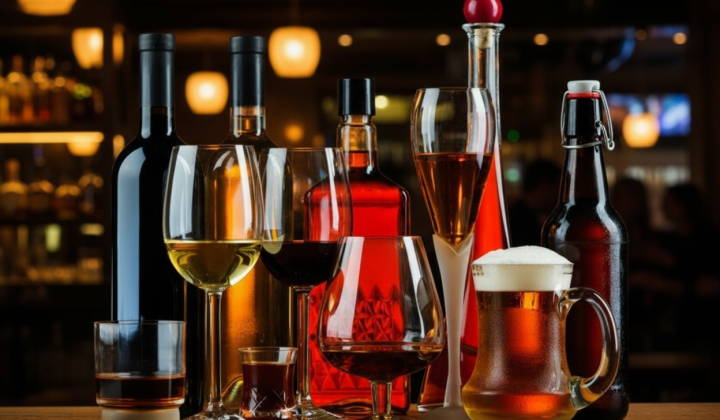
According to ХВИЛЯ: Over the past 20 years, the economic growth in Poland has significantly increased the affordability of alcoholic beverages for its citizens. The purchasing power of the average Pole for alcohol has effectively doubled during this period. This trend is illustrated by the number of bottles that can be bought with an average monthly salary: for vodka, the figure rose from 110 bottles in 2004 to 238 bottles in 2024. Beer affordability saw an even sharper increase, jumping from 871 to 2103 bottles per salary, while wine accessibility grew from 257 to 313 bottles.
This surge in affordability coincides with concerning consumption patterns. The average annual consumption of pure alcohol per capita in Poland is 8.8 liters. The increased access to alcohol is particularly alarming among young people. The 2024 ESPAD study found that 73% of junior high school students have already consumed alcohol, a figure that rises to a critical 91% among high school students. This highlights a public health challenge in a nation where alcohol has long been embedded in social culture.
Social Consequences and Public Perception
The data points to growing risks associated with alcohol use. A survey indicates that 45.7% of Poles believe beer advertising creates an illusion of 'harmlessness,' potentially downplaying its dangers. However, a significant majority (93.8%) recognize that alcohol critically increases the risk of road accidents. Nearly half (47%) of respondents confirmed they had witnessed someone driving after drinking beer. These figures underscore the gap between awareness and behavior.
The rising purchasing power and alcohol accessibility in Poland present clear concerns for public health and safety. High consumption rates among youth may lead to long-term social and medical issues, necessitating more proactive attention from both the state and society. The situation calls for the development of effective strategies to mitigate alcohol-related risks, particularly concerning road safety and the health of the younger generation.

Read also