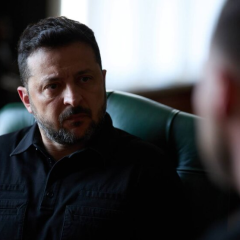
Ukraine's Zelenskyy Stripped of Polish Order Over Controversial UPA Decree

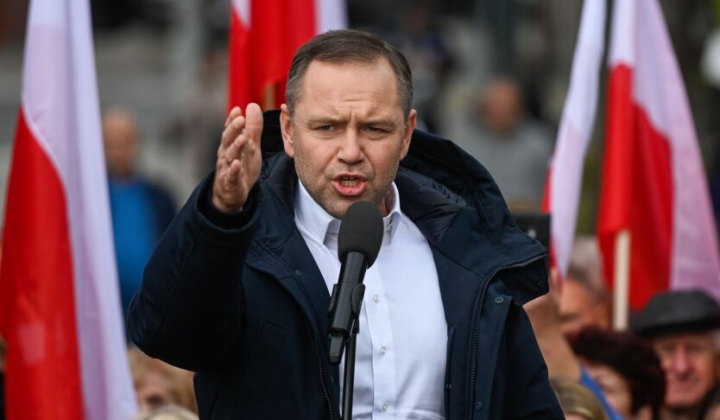
Poland-Ukraine Tensions Escalate Over Historical Memory
According to ХВИЛЯ: A deepening rift between Poland and Ukraine has been triggered by a decree from Ukrainian President Volodymyr Zelenskyy. The order granted the honorary title 'Heroes of the Ukrainian Insurgent Army (UPA)' to an elite special operations unit. This move sparked outrage in Poland, where the UPA is widely associated with the 1943–1944 massacres of Poles-events that the Polish parliament has officially recognized as genocide. In response, Polish President Karol Nawrocki revoked the Order of the White Eagle that had been awarded to Zelenskyy three years earlier by former President Andrzej Duda.
For context, Poland and Ukraine have long struggled with conflicting interpretations of their shared 20th-century history, and this incident marks one of the most serious diplomatic clashes between the two neighbors in recent years.
Official Reactions and Broader Fallout
In the wake of the escalating dispute, several Ukrainian officials-including Foreign Minister Andrii Sybiha-returned their own Polish state decorations. Former Ukrainian Presidents Leonid Kuchma and Viktor Yushchenko also handed back their Polish honors. Meanwhile, a major conference on Ukraine's reconstruction is scheduled to open in Gdańsk, but President Nawrocki was not invited to attend. Despite the political tensions, Polish Prime Minister Donald Tusk has expressed willingness to finalize approximately 200 bilateral business agreements between Poland and Ukraine.
Nawrocki, a historian and former head of Poland's Institute of National Remembrance, has taken a notably hard line toward Ukraine. One of his first vetoes as president blocked a law that would have extended aid to Ukrainian refugees in Poland. Deputy Prime Minister and Defense Minister Władysław Kosiniak-Kamysz commented on the situation, remarking that
'Russia was delighted'
by the worsening conflict between Warsaw and Kyiv.
Analysts argue that Nawrocki's actions serve Russia's interests by potentially derailing the reconciliation process between Poland and Ukraine. The dispute also highlights unresolved historical wounds: in 2023, Duda and Zelenskyy jointly honored the victims of the UPA massacres in Volhynia. However, Kyiv had blocked exhumation efforts since 2017, though the first exhumations and reburials of victims began last year.
Poland remains a critical transit corridor for Western weapons flowing into Ukraine, and the current tensions could jeopardize that cooperation. Nawrocki's foreign policy advisor, Marcin Przydacz, stated that actions must serve Poland's interests, not merely raise funds for Volodymyr Zelenskyy. The situation remains volatile, and both nations will need to navigate carefully in the coming months.
The escalating conflict underscores the deep historical divisions that continue to shape modern bilateral relations. While Poland is a strategic partner for Ukraine, especially in military support, these historical grievances could hinder collaboration. Continued dialogue and diplomatic efforts will likely be essential to overcoming these obstacles and improving ties between the neighboring countries.
As tensions continue to rise between Poland and Ukraine, the implications of Zelenskyy's decree are becoming increasingly significant. For a deeper understanding of how the situation is evolving and the potential consequences for diplomatic relations, explore our article on Poland's considerations regarding stripping Zelensky of his honors.

Read also