Poland Overhauls Emergency Dispatch: Patient Condition Now Takes Precedence

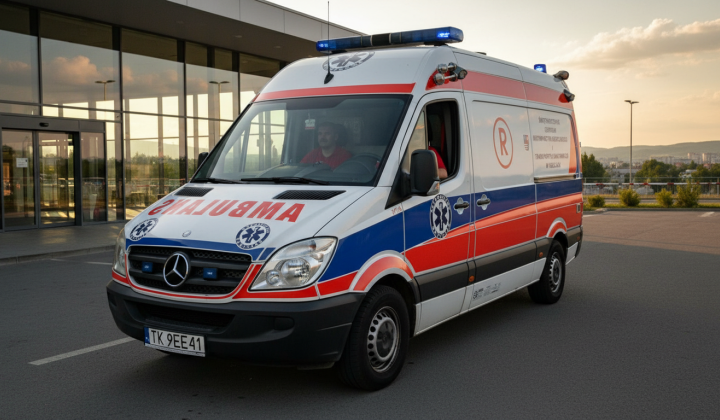
Poland's Emergency Medical Services Adopt New Protocols
According to ХВИЛЯ: Poland is implementing a major shift in its emergency medical dispatch rules, placing the patient's medical condition at the forefront as the top priority. The country's Ministry of Health has developed new regulations governing the work of emergency call operators. The primary goal of this overhaul is to drastically cut the time between the initial emergency call and the dispatch of a medical team.
Under the new system, the traditional opening question, 'What is your address?' will be eliminated from the start of the call. Instead, the caller's location data will be sent to the dispatch center automatically in an electronic format, with the emergency operator filling it in using geolocation. According to the proposed changes, the dispatcher will first concentrate on the medical nature of the emergency.
A New Operational Algorithm for Dispatchers
The new algorithm mandates that the operator must:
- Identify the symptoms and general condition of the individual;
- Assess the level of consciousness and quality of breathing;
- Clarify the age of the victim.
Only after this initial patient assessment will the caller be asked to confirm the address and provide any additional details. This approach will allow dispatchers to instantly evaluate the level of threat to life and make a decision about sending an ambulance even before the call concludes. This, in turn, will enable medics to prepare necessary equipment or medications en route, before arriving at the scene. This reform aligns Poland with modern emergency response practices seen in other European nations, aiming to save crucial minutes in life-threatening situations.
The introduction of these new rules for emergency services in Poland represents a significant step in improving the emergency medical system, as reducing response time can substantially impact patient outcomes. The changes are aimed at increasing dispatcher efficiency and minimizing the time required to deliver medical aid, which is critically important in life-saving scenarios. This patient-centric approach could serve as a model for other countries seeking to refine their own emergency medical systems.

Read also